
Spark Studio
Where a love of learning begins.
Spark is a joyful, hands-on studio where our youngest learners build confidence, independence, curiosity, and a strong foundation in reading, writing, and math.
Visiting for the first time? Start with A day in Spark, or jump to what you need above.
Three Things We Want Every Spark Learner to Believe
At this age, the goal is more than early academics. We want children to leave Spark trusting that they can learn, that they belong, and that they can do real things for themselves.
I love learning.
Learning should spark curiosity, feel meaningful, and leave children wanting to discover more.
I belong.
Every learner should know they are known, valued, and an important part of their community.
I am capable.
Children build confidence by doing meaningful, sometimes hard, things for themselves.
Why are ages 4 to 7 together in one studio?
Spark is a mixed-age studio. Younger learners learn by watching and working alongside older peers, and older learners get to lead, help, and strengthen their own understanding.
Rather than constantly comparing children to others their exact age, we focus on helping each learner keep moving forward from where they are.
Where does Spark fit in the Acton journey?
Spark is the beginning of a longer journey. As learners grow, they are given more freedom, ownership, and responsibility. Each studio builds on the one before it:
Spark (ages 4–7): I love learning. I belong. I am capable.
Elementary (ages 8–11): I can manage myself. I can contribute. I can learn from mistakes.
Middle School (ages 12–15): I can take on difficult challenges. I can communicate. I can test myself in the real world.
Launchpad (ages 16–18, coming 2027): I know myself. I can lead myself. I can create value.
Spark builds the foundation: confident, independent children who are willing to take on challenges for themselves.
What Your Child's Day Looks Like
Each day is broken into work sprints with a shared purpose. Mornings are for focused, hands-on work. Afternoons are for play, projects, and time together.
☀️ Morning
🌤️ Afternoon
Drop-off and pickup
Drop-off is 8:30–8:45 AM. Pickup is 3:15–3:30 PM.
Lunch
Lunch is brought from home each day.
No homework
Learning happens in the studio, so home is family time.
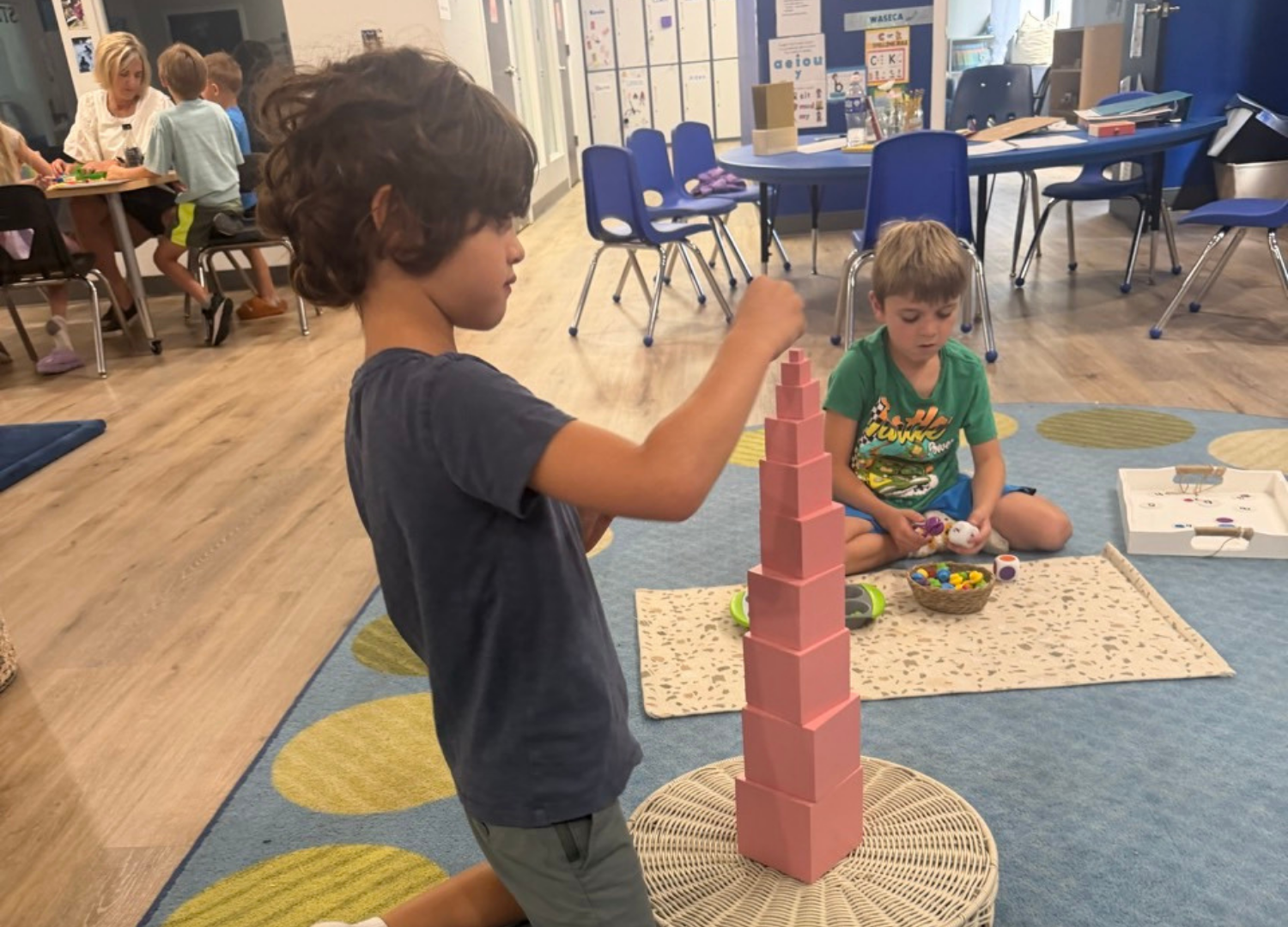
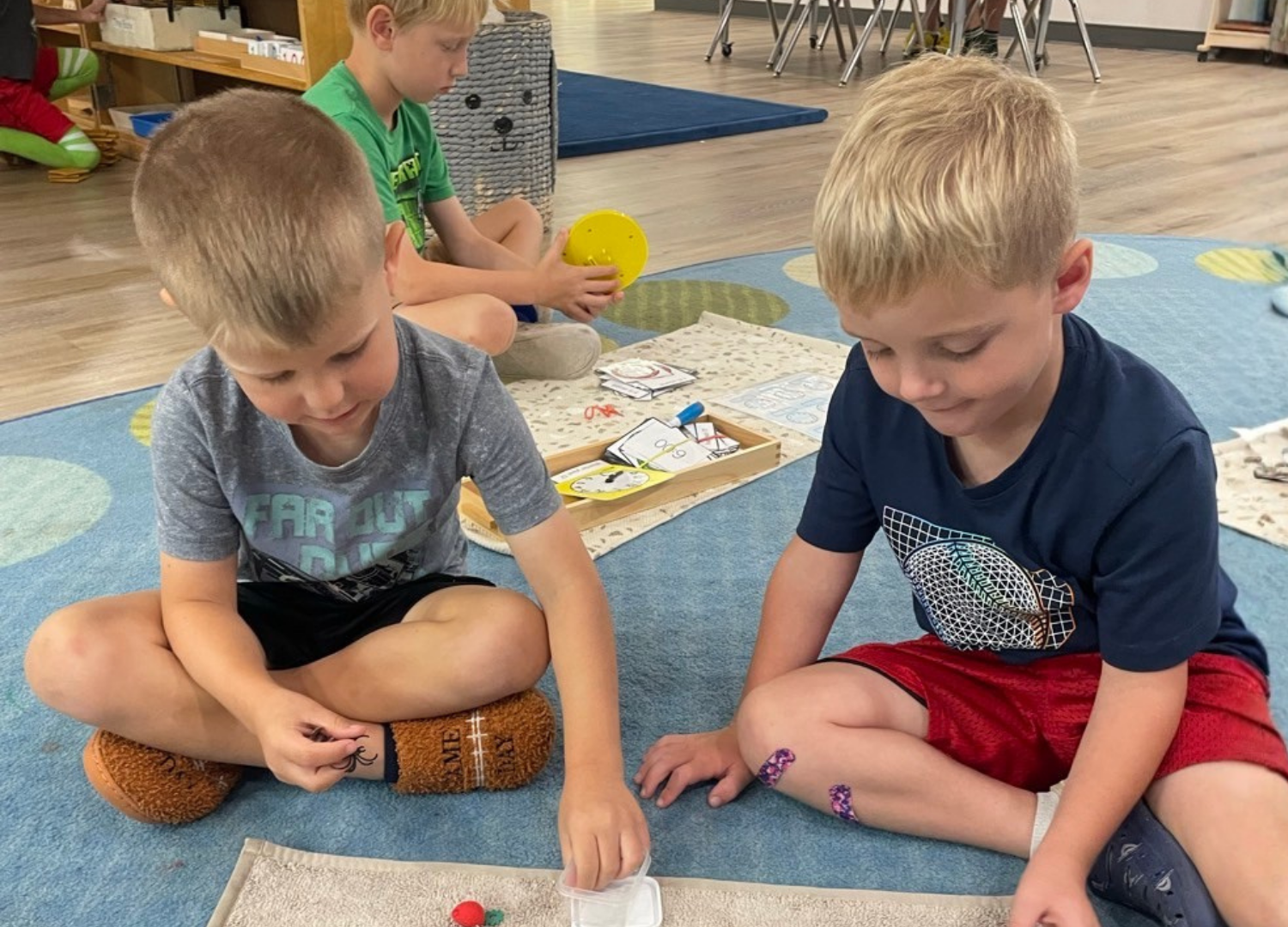
Hands-On Foundations, One Step at a Time
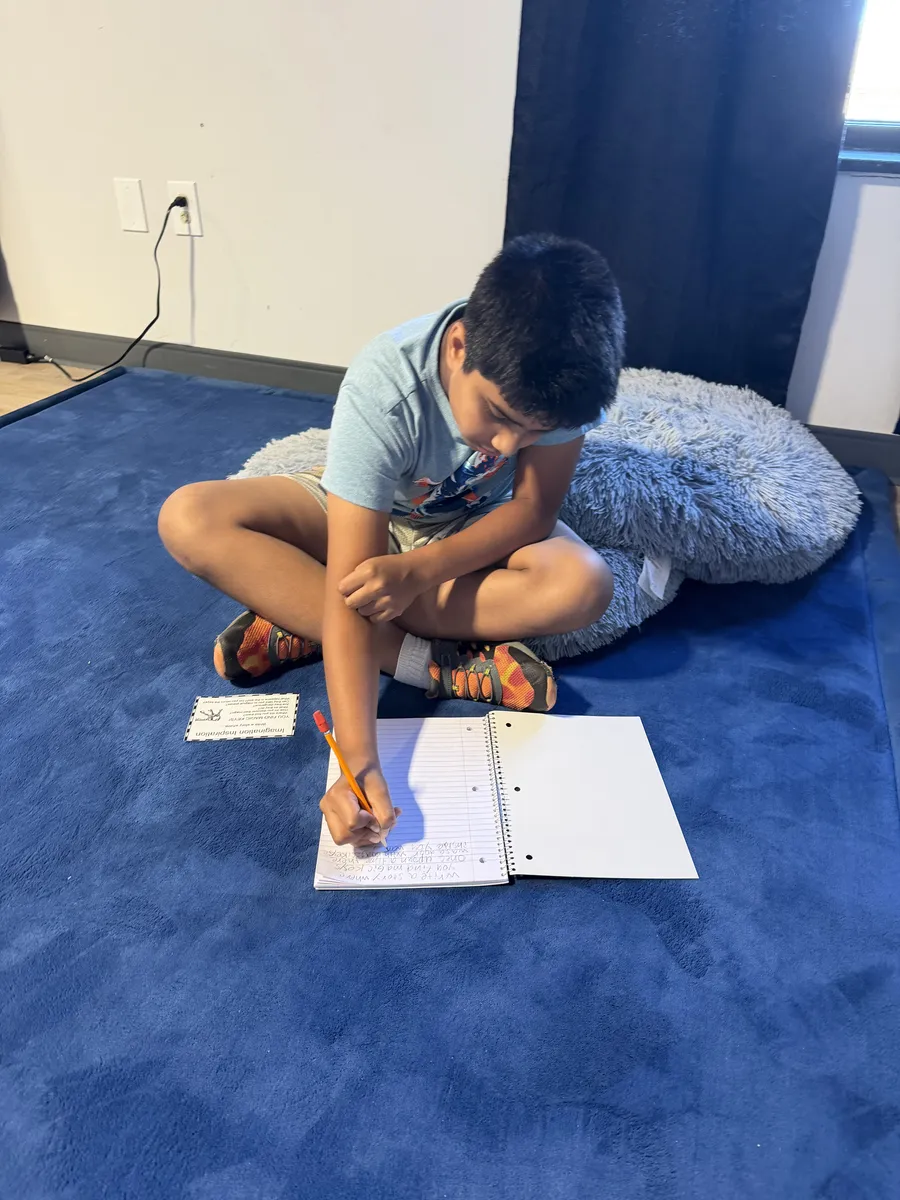
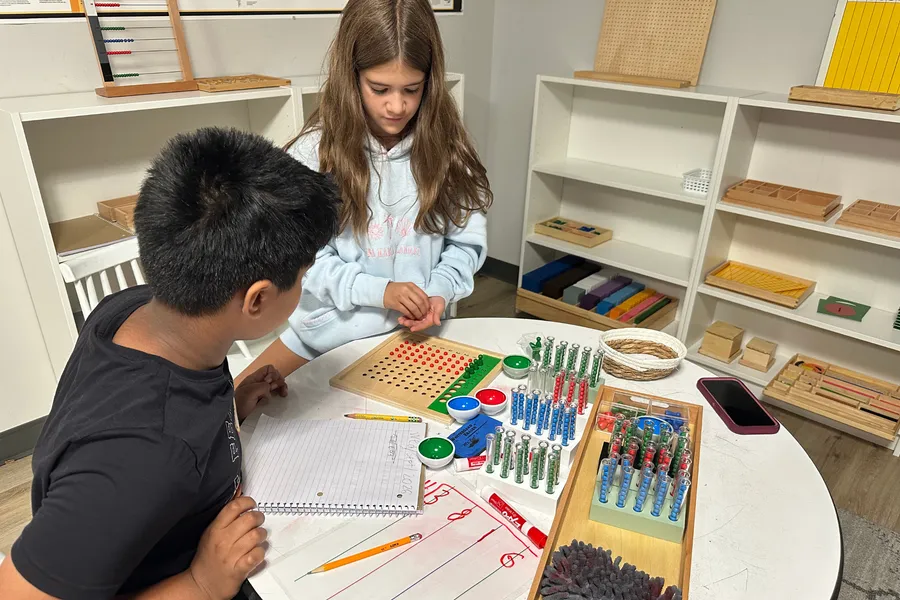
Every morning, Spark learners have a long, uninterrupted work cycle focused on foundational skills. Guides give lessons when each child is ready, then learners practice with carefully sequenced, hands-on materials.
ReadingWritingHandwritingMathPractical lifeScienceCultural studies
Not every five-year-old needs the same lesson on the same day. Guides watch each learner closely, introduce new work when they're ready, and check for understanding before moving on. The goal is to challenge children without rushing them, and support them without making them depend on an adult for every next step.
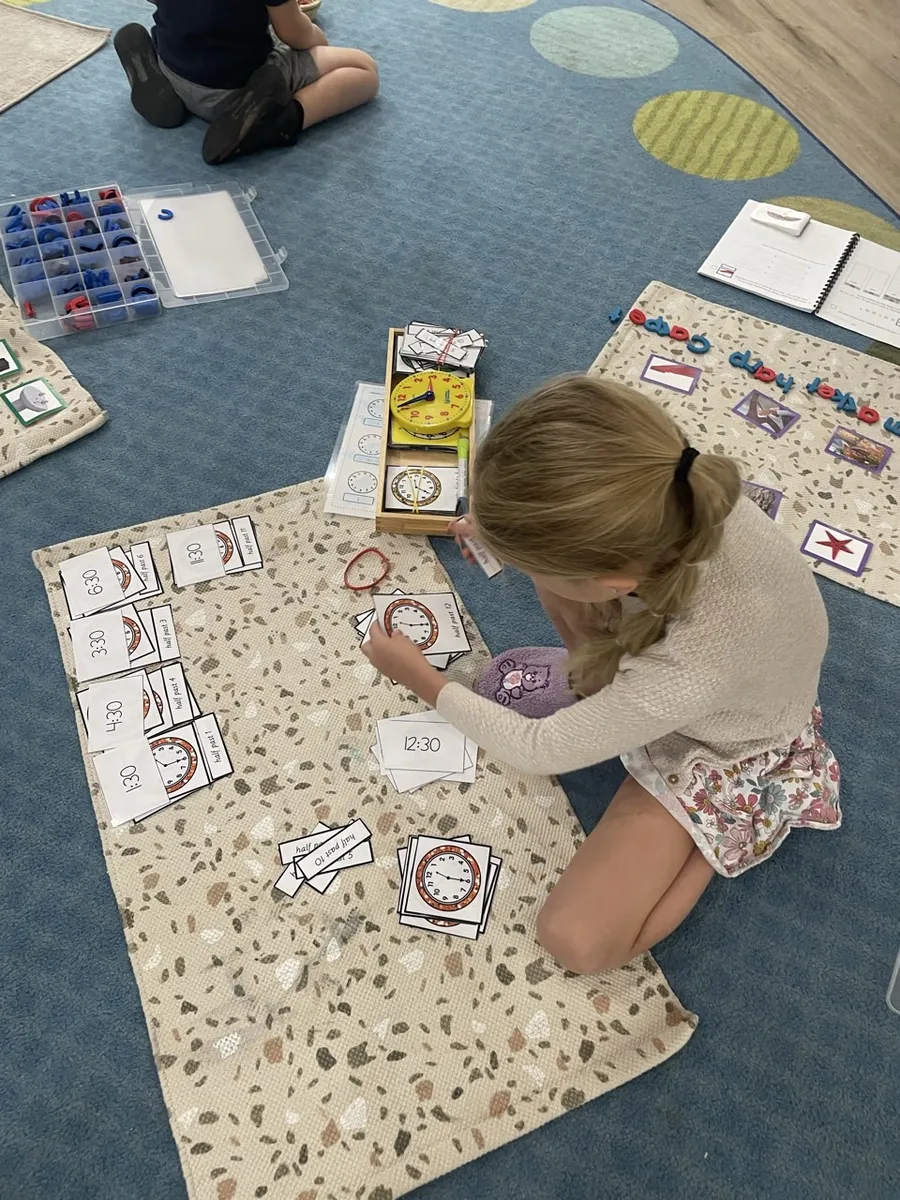
Hands-on materials
Learning by touching, building, and doing.
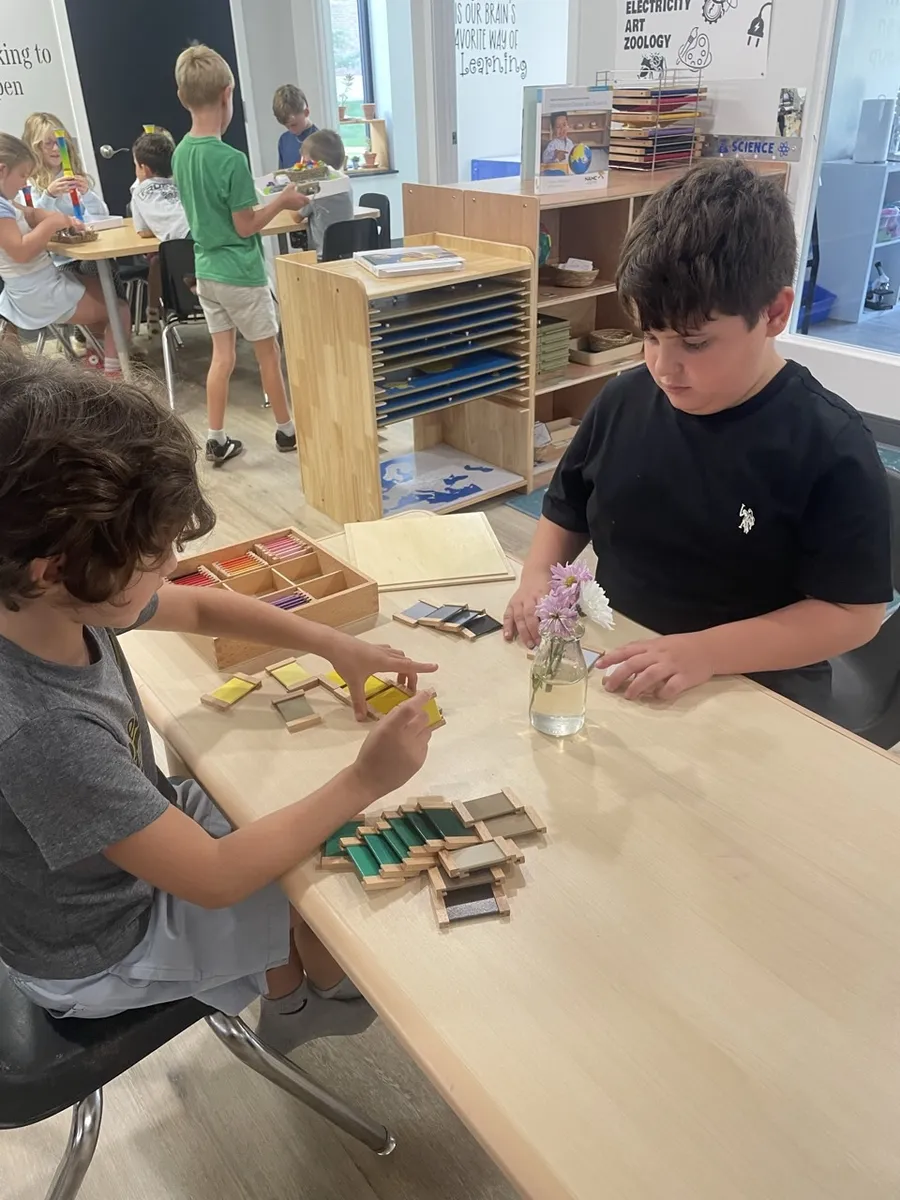
Lessons when they're ready
Each child moves forward from where they are.
Time to focus
Long, uninterrupted stretches to practice and discover.
Spark mornings are built around hands-on materials, not worksheets or lectures.
Does Spark use Montessori?
Spark mornings use a lot of Montessori, along with other hands-on materials: carefully sequenced work, with lessons given when a child is ready. The rest of the day adds hands-on projects, play, and Socratic discussion.
Will my child learn to read and do math here?
Yes, those are a core part of every Spark morning. Guides give individual and small-group lessons in reading, writing, handwriting, and math, and introduce the next step when a child shows they're ready, not when the calendar says so.
Play Is Part of Learning
Young children need time to move, create, imagine, and play. We don't treat play as a break from learning. It's where children practice creativity, communication, negotiation, leadership, problem solving, and friendship.
“Sometimes the most important learning happening in the room looks like two children figuring something out together.”
Art
Drawing, painting, creating, and expressing ideas.
Building
Blocks, materials, and challenges that call for creativity and problem solving.

Outdoor play
Time to move, explore, play games, and be outside.
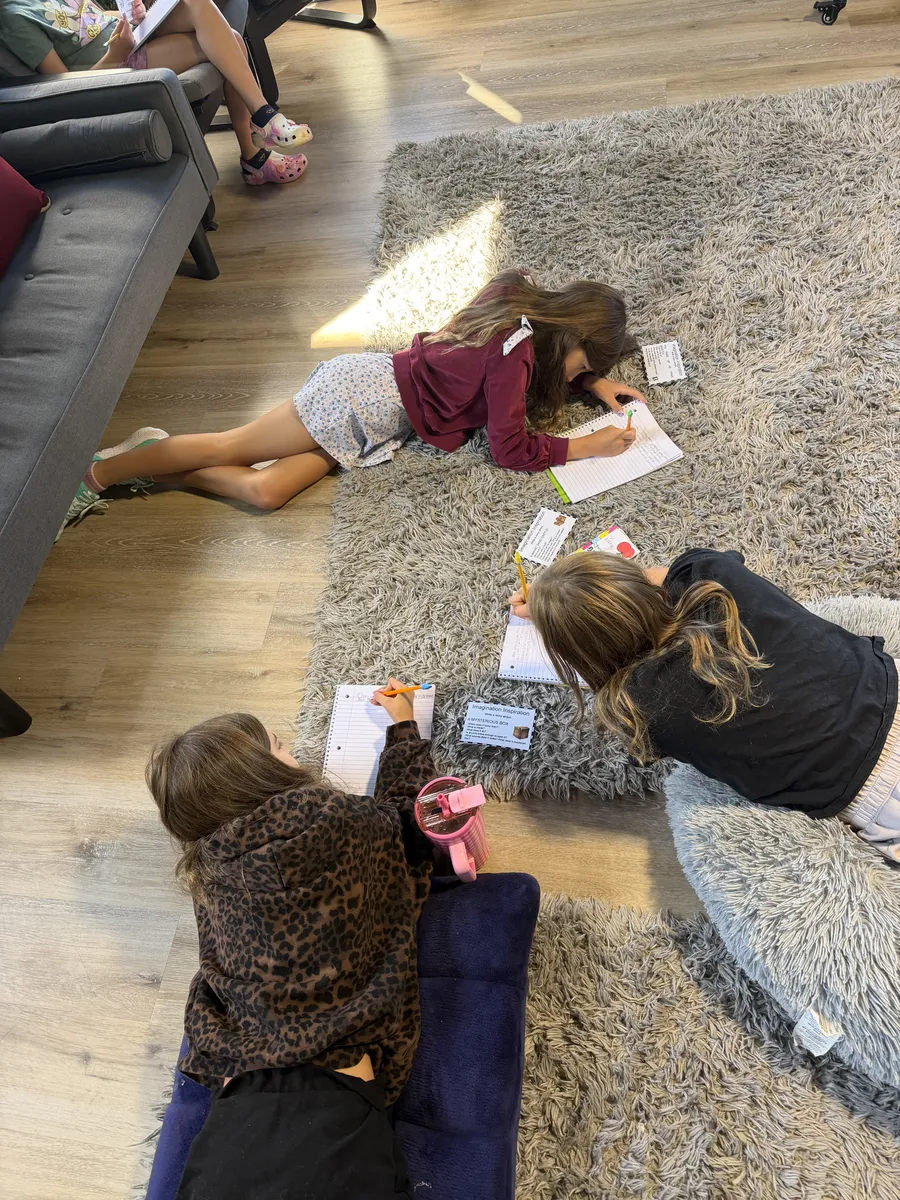
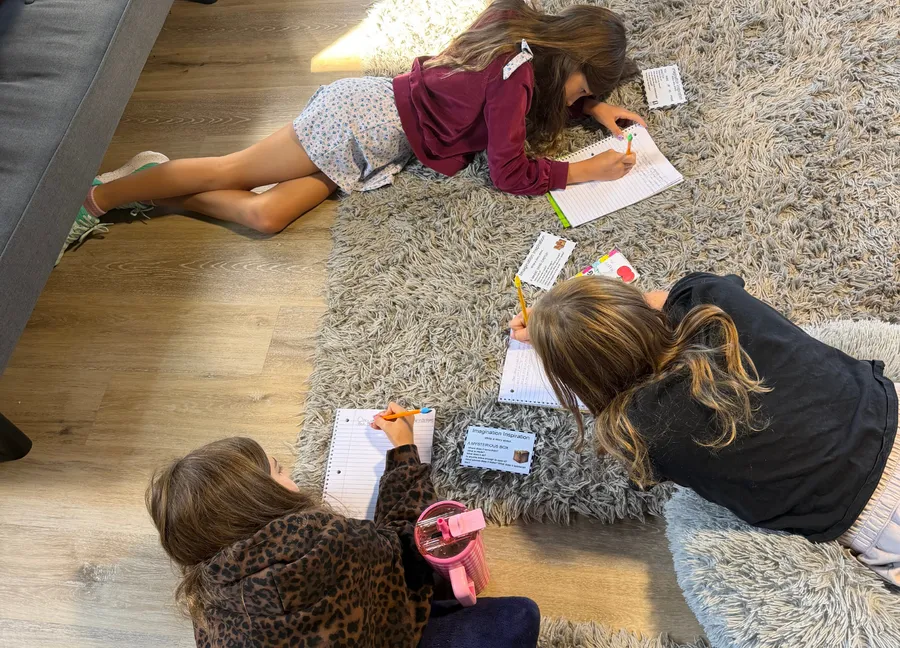
Imaginative play
Space to pretend, tell stories, take on roles, and imagine.
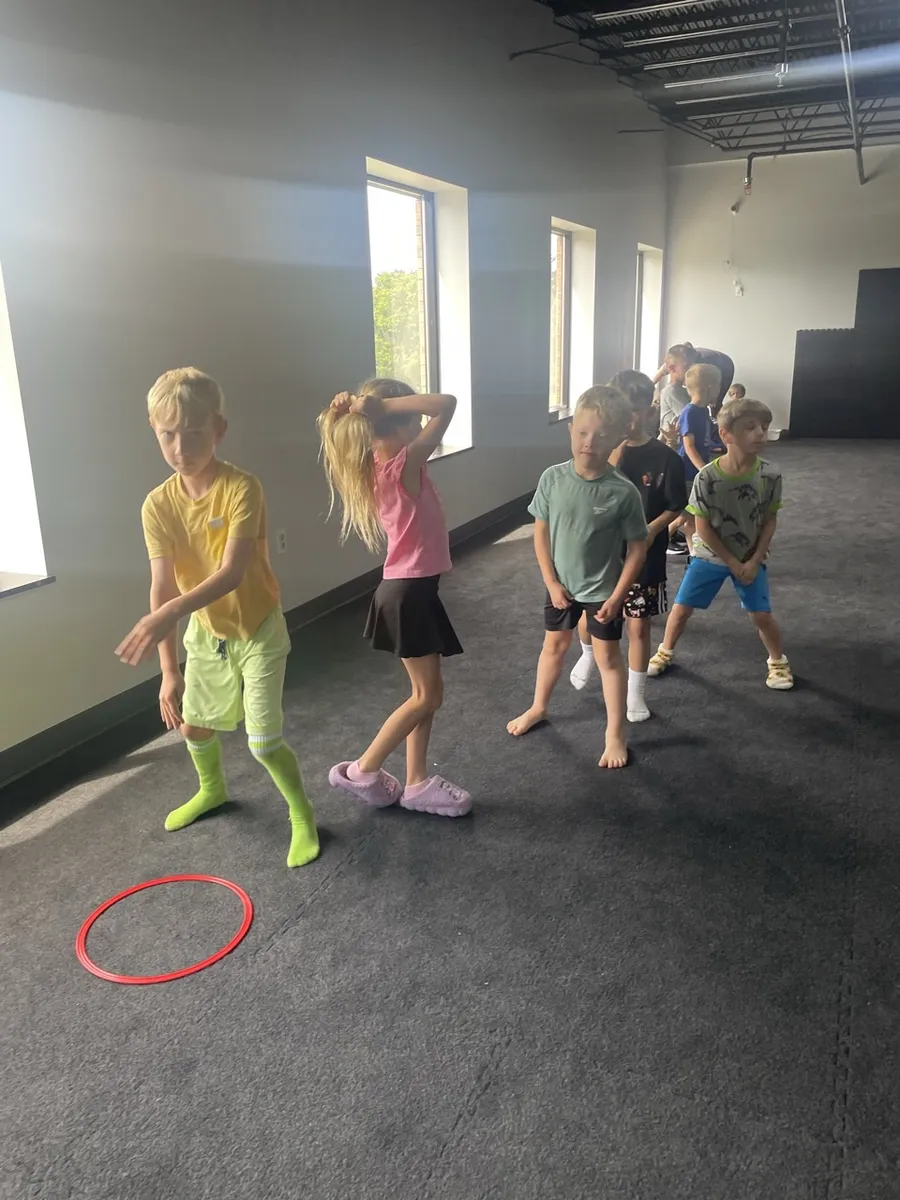
Movement
Running, climbing, dancing, stretching, and building coordination.
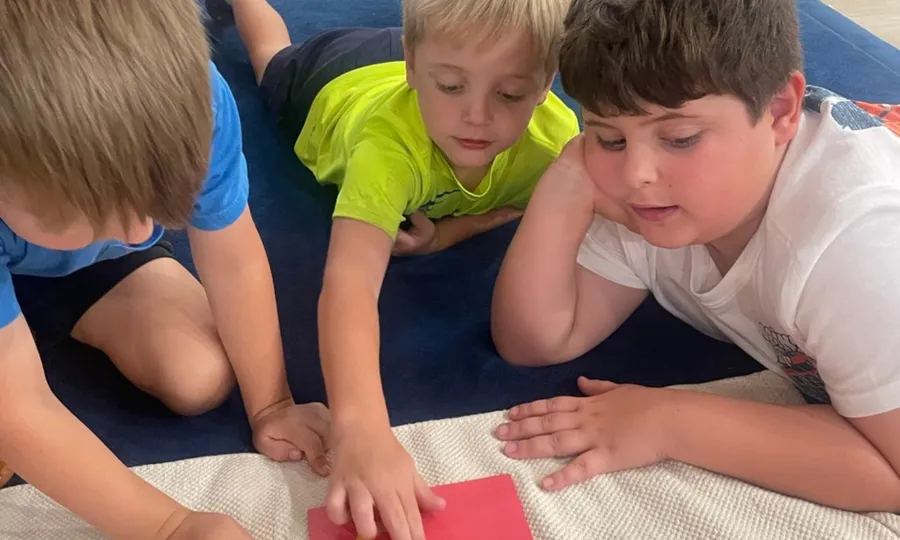
Time with friends
Talking, laughing, working together, working through disagreements, and building friendships.
Quests
Five-week, hands-on projects.
Read more
At Acton, we call these Quests. Each Quest lasts five weeks and gives learners a chance to build, create, experiment, solve problems, and explore the world around them. Spark Quests may include science, nature, art, building, entrepreneurship, and other real-world challenges. Learners try ideas, make mistakes, adjust, and keep going. The focus isn't only on the final product. It's on curiosity, effort, problem solving, and learning through experience. Quests end with an exhibition, where learners share their work with parents.
Socratic Discussions
Learning how to think, not what to think.
Read more
Even young learners can think deeply. In age-appropriate Socratic discussions, Guides ask questions instead of handing out answers. Learners practice listening, sharing ideas, explaining their thinking, and hearing different points of view. Discussions open and close each day.
More Than Reading and Math
Reading and math matter. So does learning what to do when something is hard. Throughout the day, Spark learners practice:
- ✅ Making responsible choices
- ✅ Being a good friend
- ✅ Caring for their space
- ✅ Working through frustration
- ✅ Resolving disagreements
- ✅ Asking for help
- ✅ Following through
- ✅ Trying again after a mistake
These moments can look small. They're where independence and character are built.
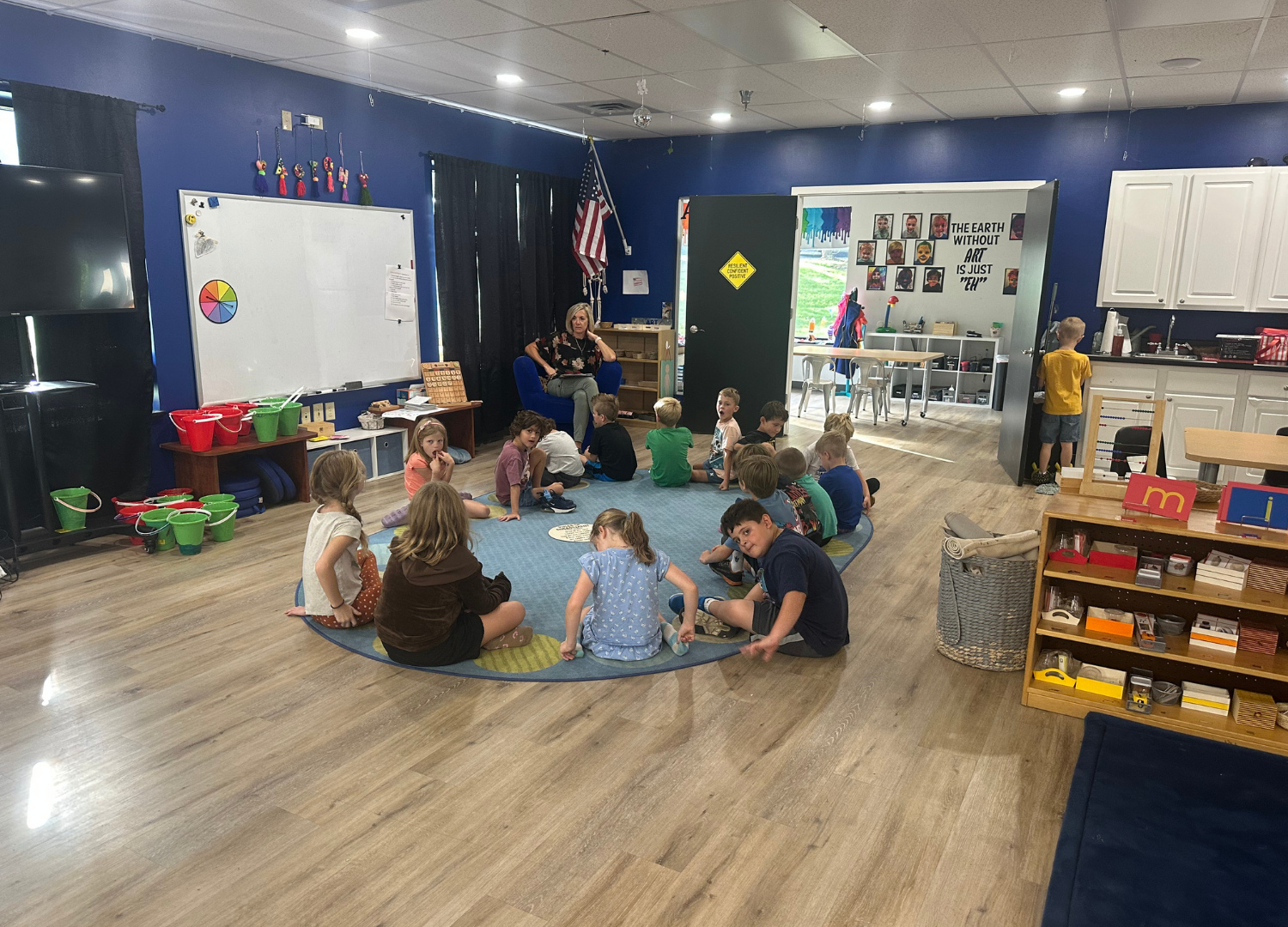
Wondering whether Spark fits your child?
Tell us a little about your family and what you're looking for.
Adults Who Know Your Child, and Keep You in the Loop
Spark doesn't use letter grades. Instead, Guides get to know each child well and share what they see, and you'll see your child's work for yourself.
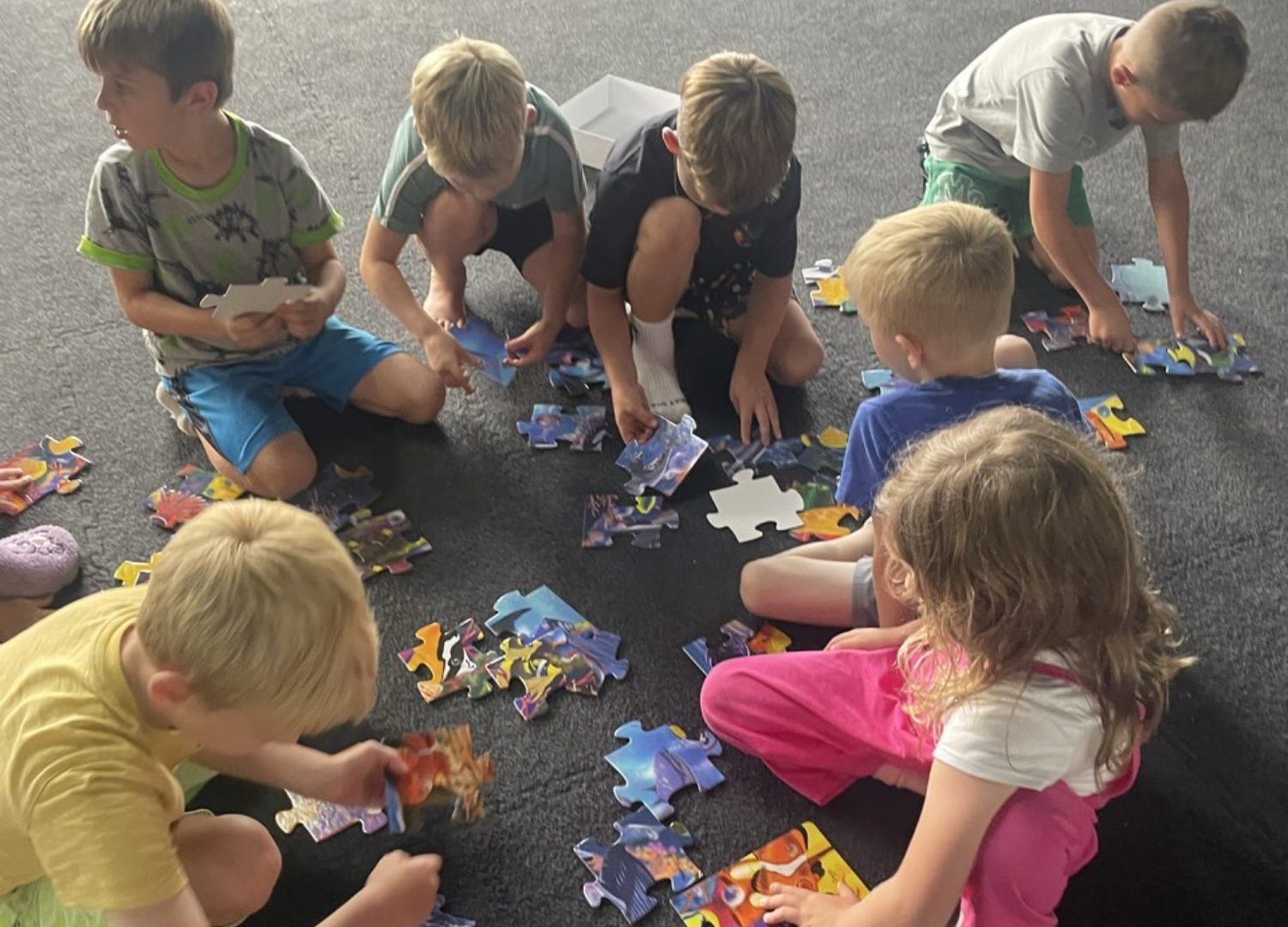
Guides, not lecturers.
Adults at Acton are called Guides. Their job isn't to stand at the front of the room and deliver information. They observe, ask questions, introduce new lessons, encourage, redirect, and help learners work through challenges. They get to know each child well enough to tell when they need support and when they need space to figure something out.
Regular updates
Guides share progress, wins, areas for growth, and next steps.
Exhibitions
At the end of each Quest, you're invited to see what your child built and hear them talk about it.
Journey meetings
Parents attend journey meetings to talk through their child's progress.
Badges and portfolio
Progress is mastery-based and tracked through badges and portfolio evidence, not letter grades.
Parents visit during tours and exhibitions, and during short, scheduled studio viewing windows. We don't do casual drop-ins, because learners do their best work when they're trusted, not watched.
Questions Spark Parents Ask
Straight answers to what parents of young children ask us most. If yours isn't here, ask us. We'd rather talk it through than guess.
Prefer to talk? Call 724-201-3655.
Is my child ready for Spark?
Spark is for ages 4–7.
Is Spark play-based or academic?
Both, on purpose. Mornings are a focused work cycle in reading, writing, math, and more, using hands-on materials. Afternoons are for play, Quests, and time outdoors. We don't see play as separate from learning.
Do you offer part-time enrollment?
Sometimes, for our youngest learners.
What are drop-off and pickup times?
Drop-off is 8:30–8:45 AM. Pickup is 3:15–3:30 PM. Our school year runs from early September to the end of May, and our calendar follows public school holidays and breaks closely.
Is there homework? Are there grades?
No homework: learning happens in the studio, so home is family time. No letter grades either: progress is mastery-based and tracked through portfolio evidence and regular updates from Guides.
Can I visit or stay in the studio?
Parents visit during tours and exhibitions, and during short, scheduled studio viewing windows. We don't do casual drop-ins, because learners deserve trust, not an audience.
What happens when my child is ready for Elementary?
Learners move up when they complete their badge plan and show they're ready through their work, habits, and character, not on a fixed birthday. Elementary is for ages 8–11.
What does Spark cost?
Annual tuition is $11,500. We also offer a scholarship program of up to $6,000 off tuition for eligible students; scholarships are limited and based on eligibility and availability.
Could Spark Be Right for Your Child?
Spark is different from a traditional preschool or kindergarten. Here's an honest look at what families tend to want when it's a good fit, and when it might not be.
May be a good fit for a family who wants…
- ✅ A child who loves learning and wants to keep discovering
- ✅ Hands-on work in reading, writing, and math, at their own pace
- ✅ Plenty of time for play, movement, and the outdoors
- ✅ A mixed-age community where their child is known
- ✅ Practice with independence, kindness, and trying again
- ✅ No homework, so evenings stay family time
May not be the right fit for a family who wants…
- Letter grades and report cards
- Nightly homework or worksheets
That's okay. We'd rather say so up front.
See If Acton Is Right for Your Family
Acton is different from a traditional school, and we know it won't be the right fit for every learner or every family. Tell us a little about your child and what you're looking for. We personally review every inquiry and will reach out to learn more.
Contact Us
Acton Academy Pittsburgh, 3500 Brooktree Road Wexford, PA 15090 USA


Acton Academy Pittsburgh © 2026
