Parents who know something feels off…
If school doesn’t feel right for your child, you’re not imagining it.
Most schools prepare kids for tests.
We prepare them for life.
For families who know their child is capable of more.
If your child is…
Bored or not challenged

Stressed about grades

Going through the motions

Capable of more, but not showing it

k-12 Private school · Wexford, PA
For families who know their child is capable of more.
Acton Academy Pittsburgh is a school where young people learn to think for themselves, take responsibility, solve problems, work with others, and grow into confident, capable people.
For families who know their child is capable of more.
Acton Academy Pittsburgh is a learner-driven school where young people learn to think for themselves, take responsibility, solve problems, work with others, and grow into confident, capable people.
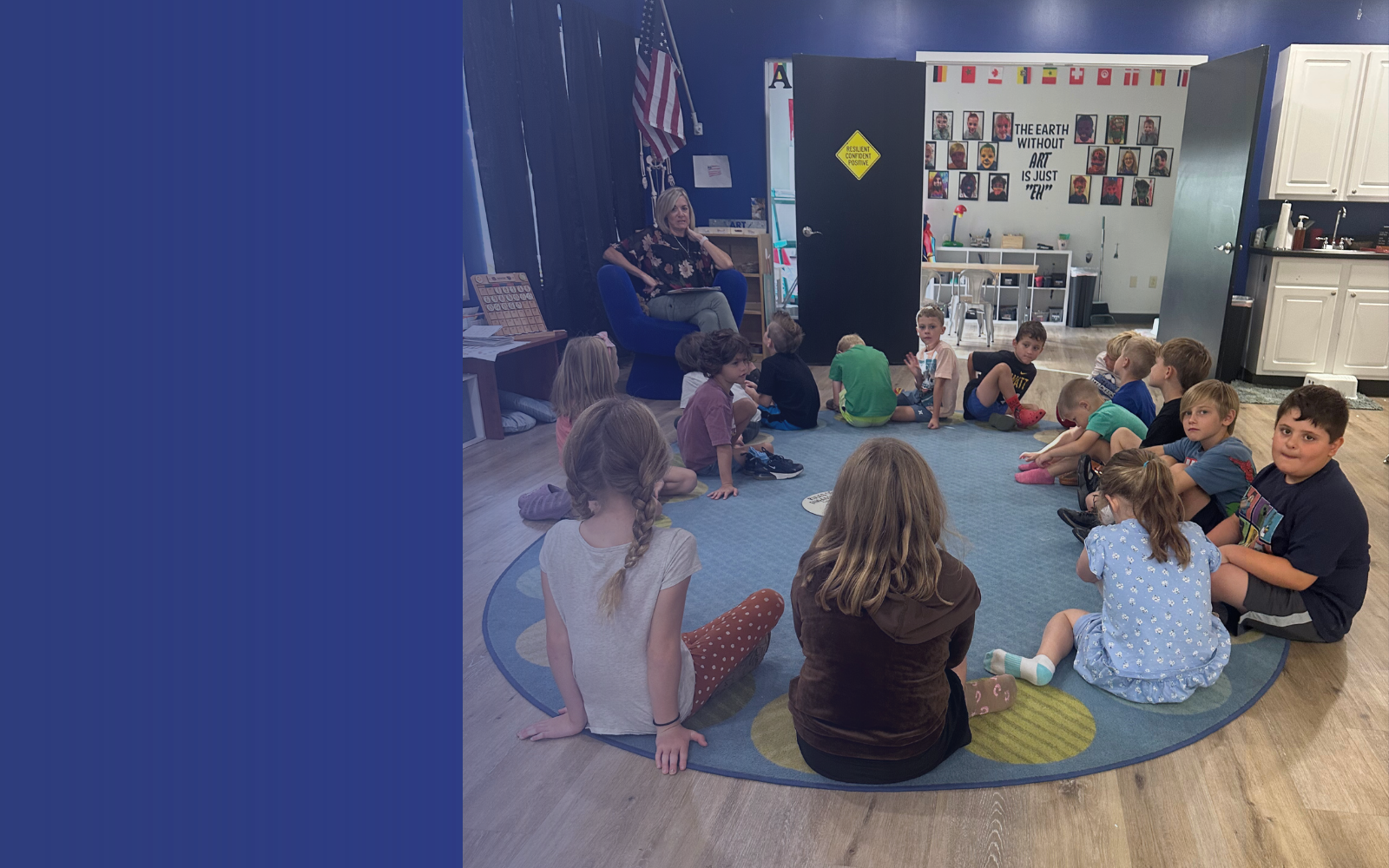
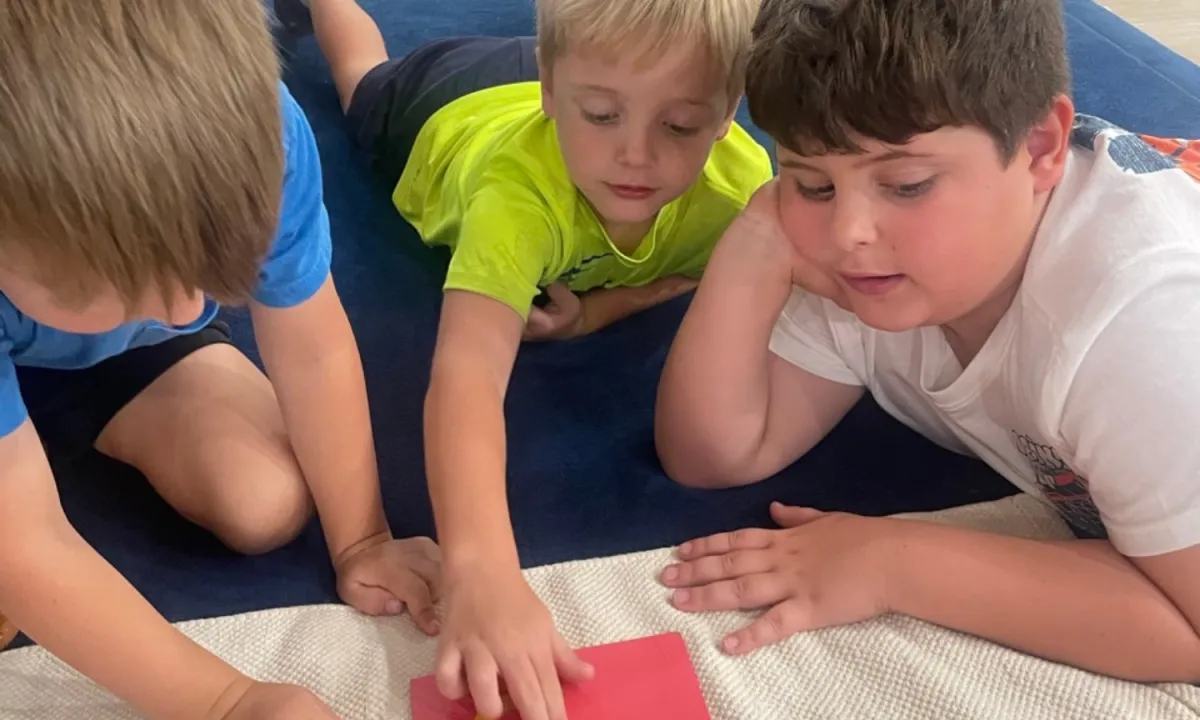
Learn at the Right Level. Master Before Moving On.
Learners are not expected to move through the same material at the same pace.
They work at the level that challenges them, receive support when they need it, and keep practicing until they can show they truly understand a skill before moving forward.
The goal is not to rush through content. It is to build real understanding and confidence.
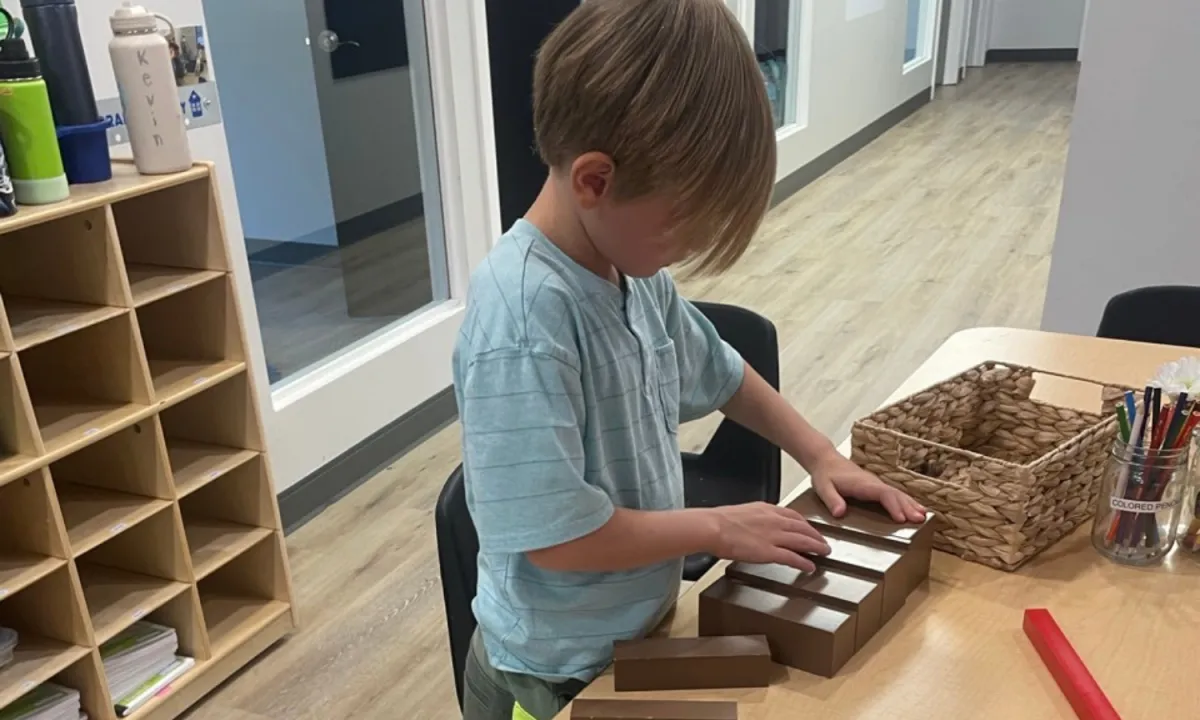
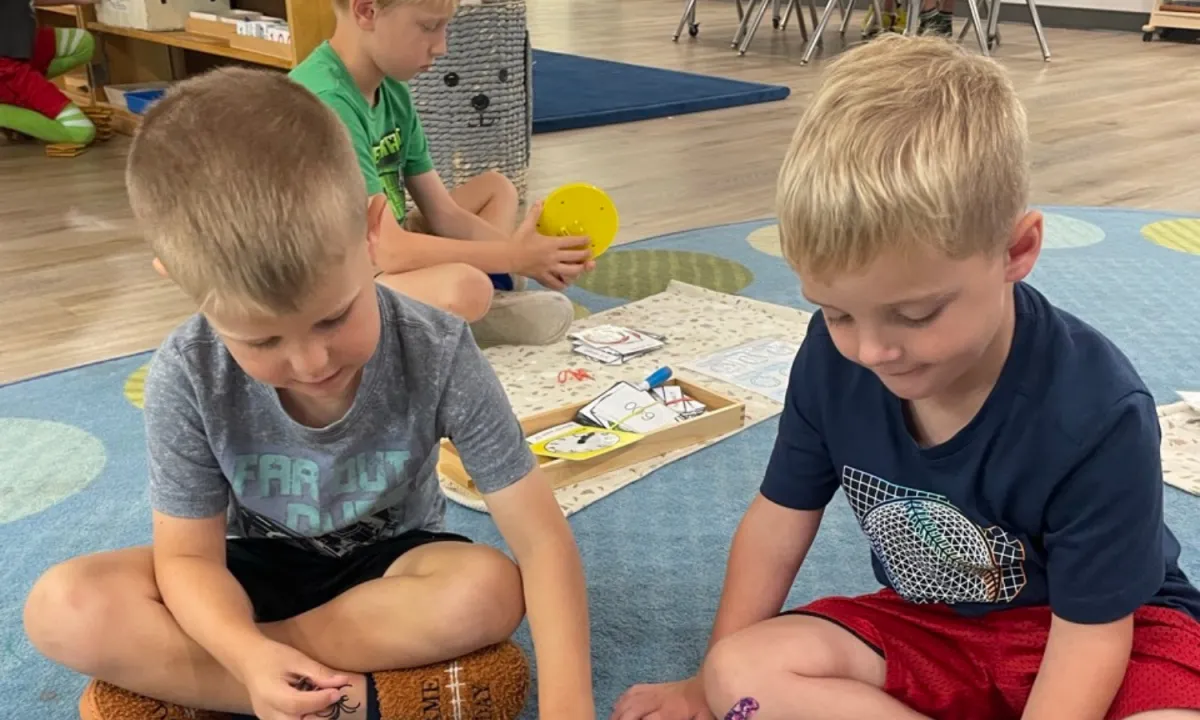
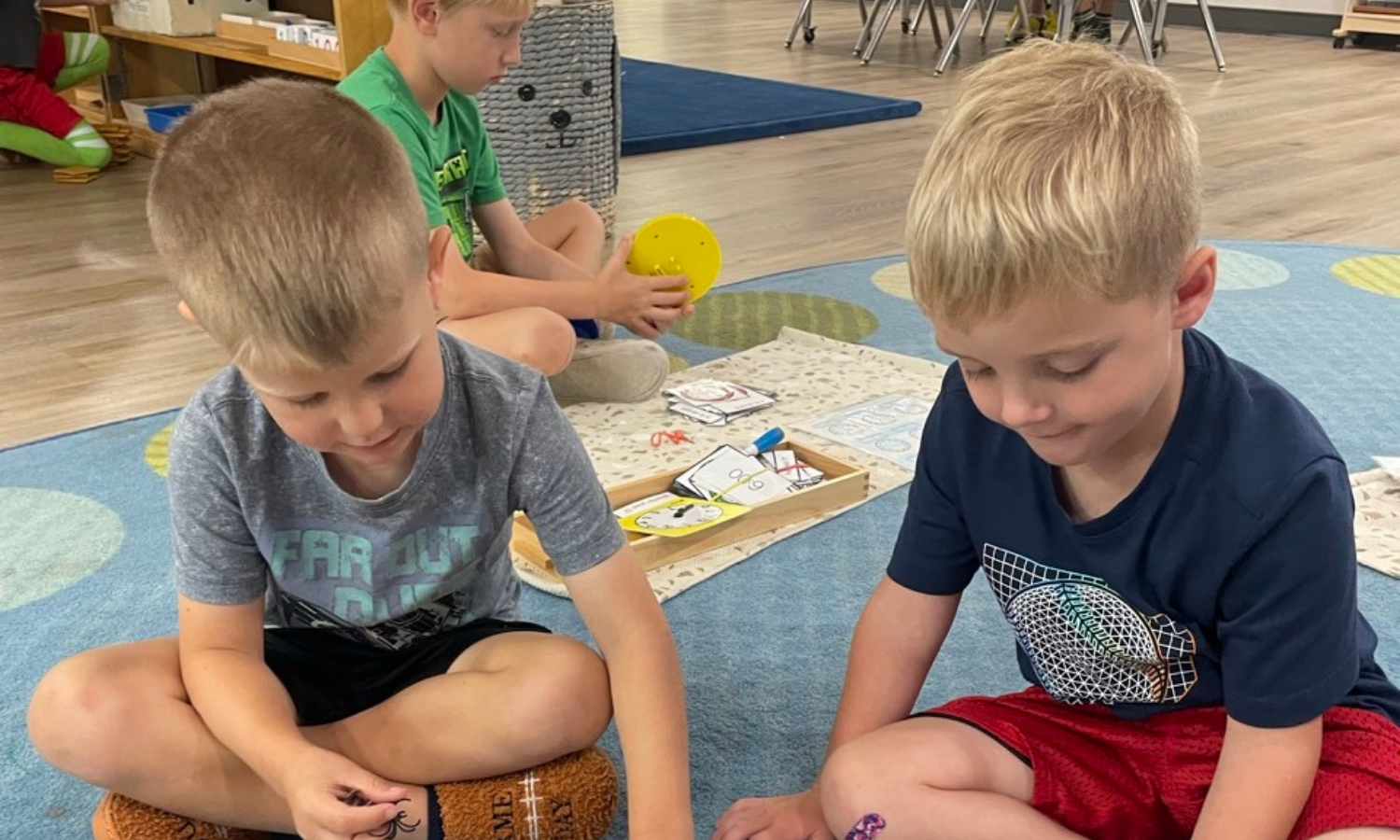
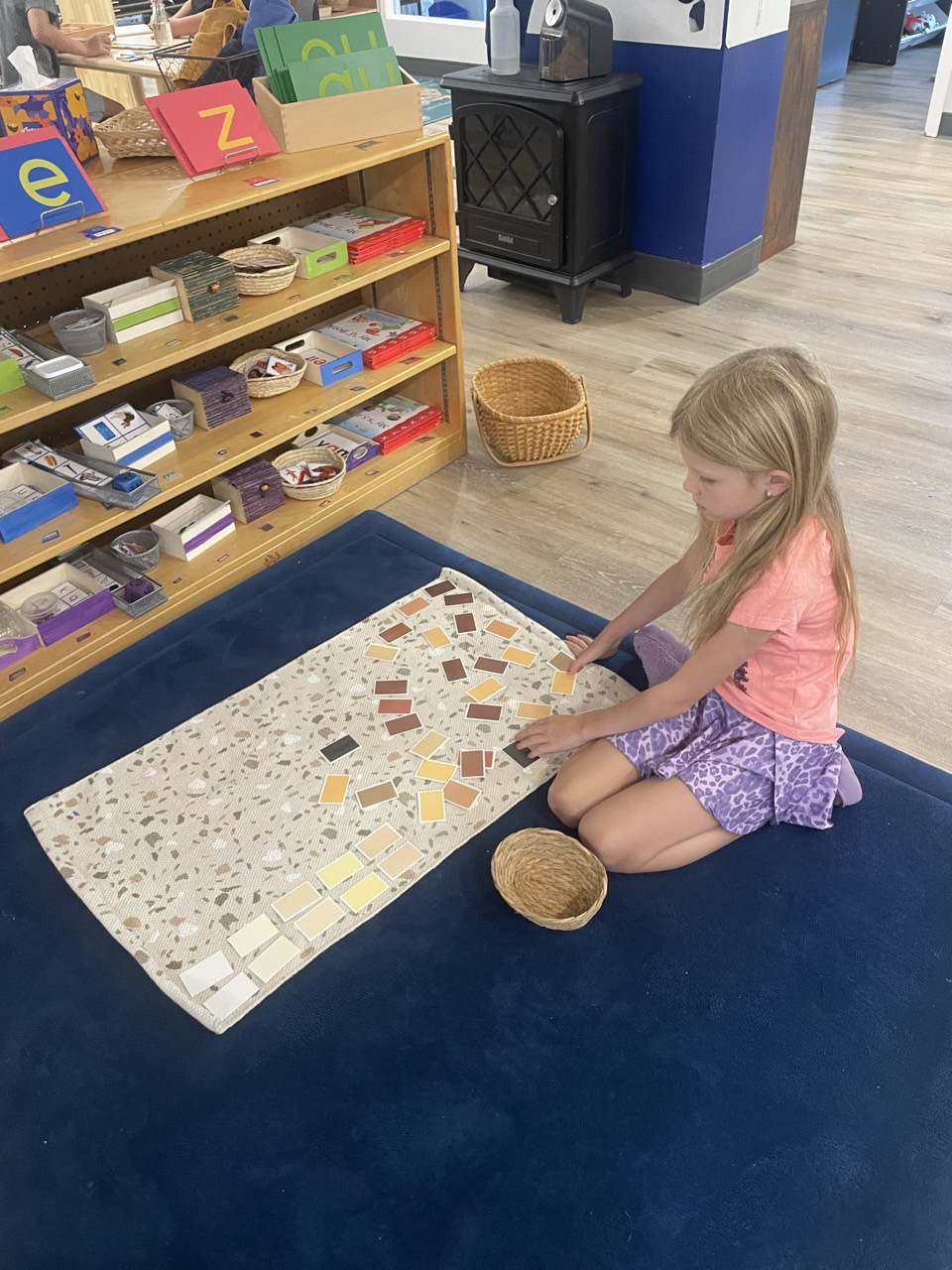
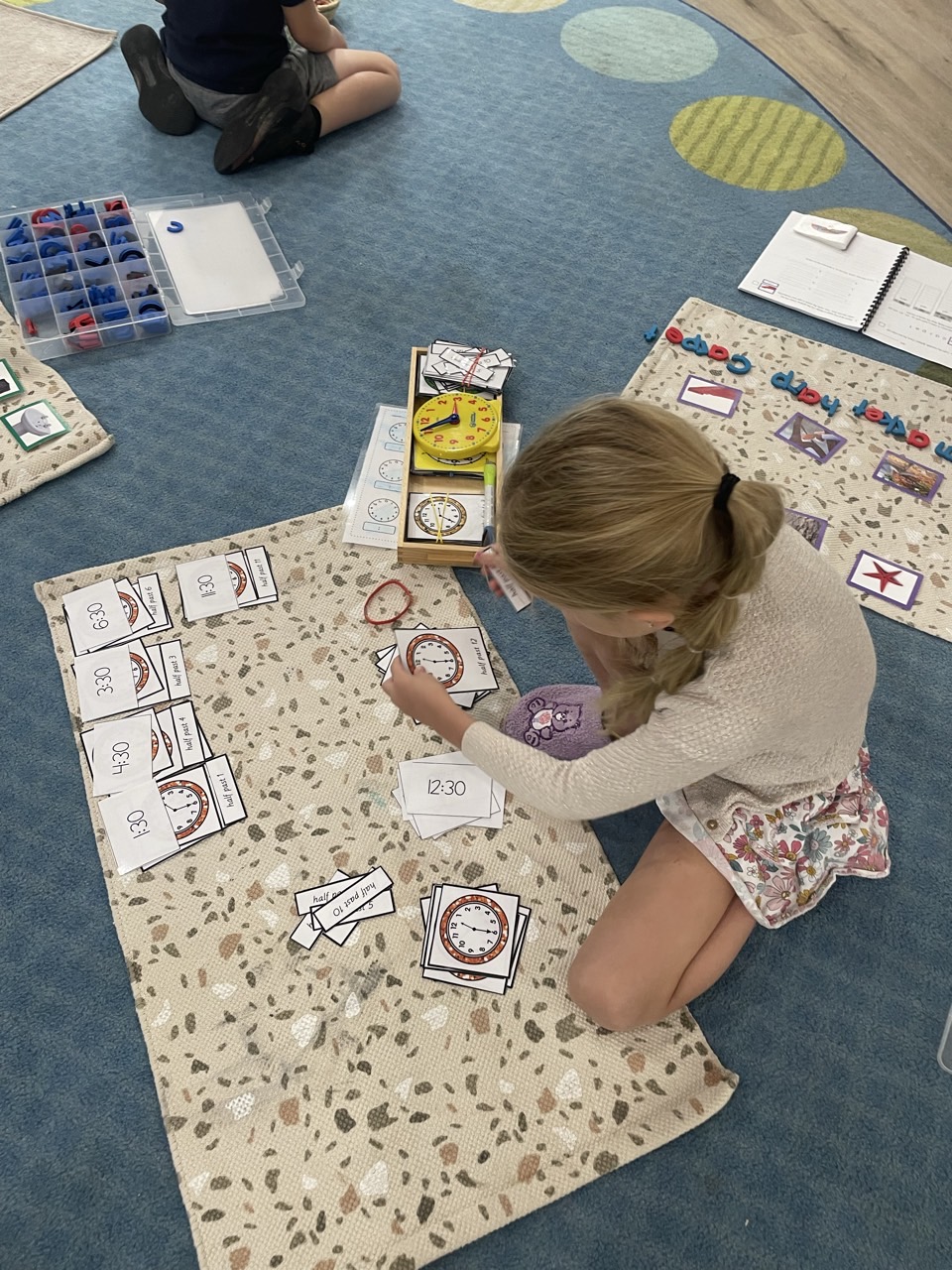
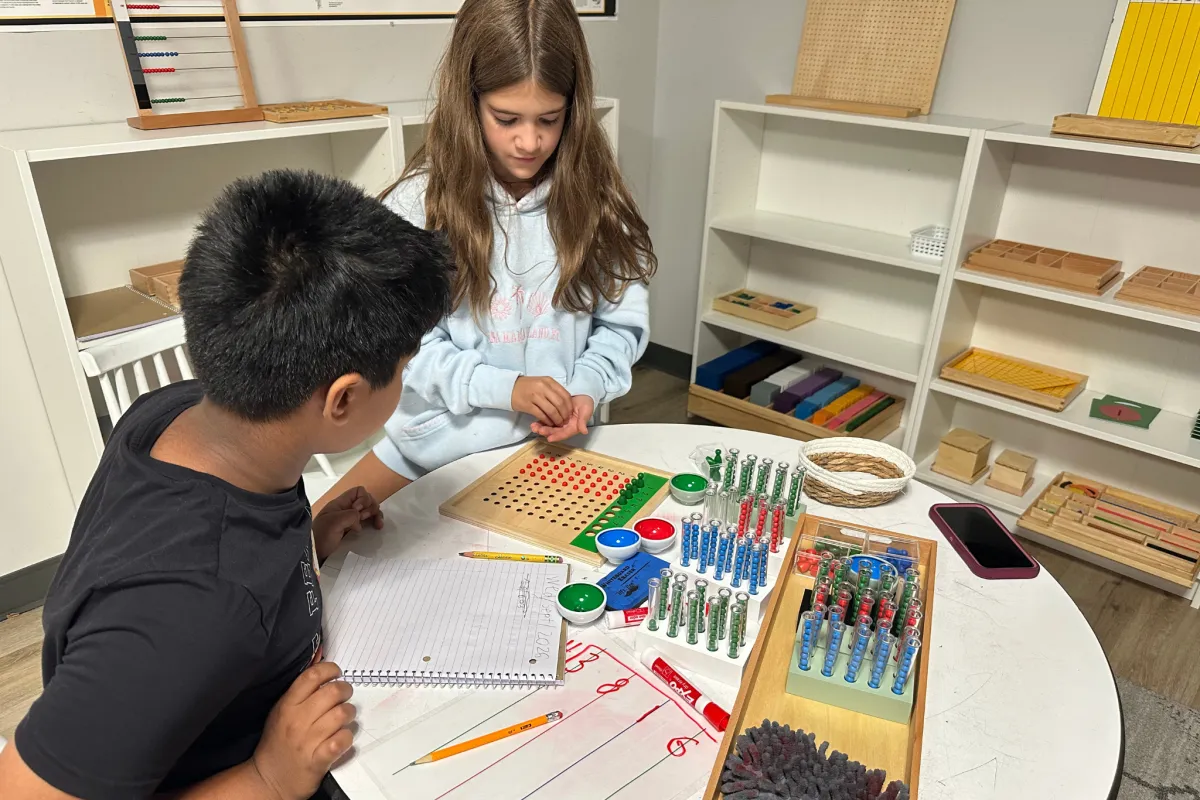
Hands-On Montessori Learning
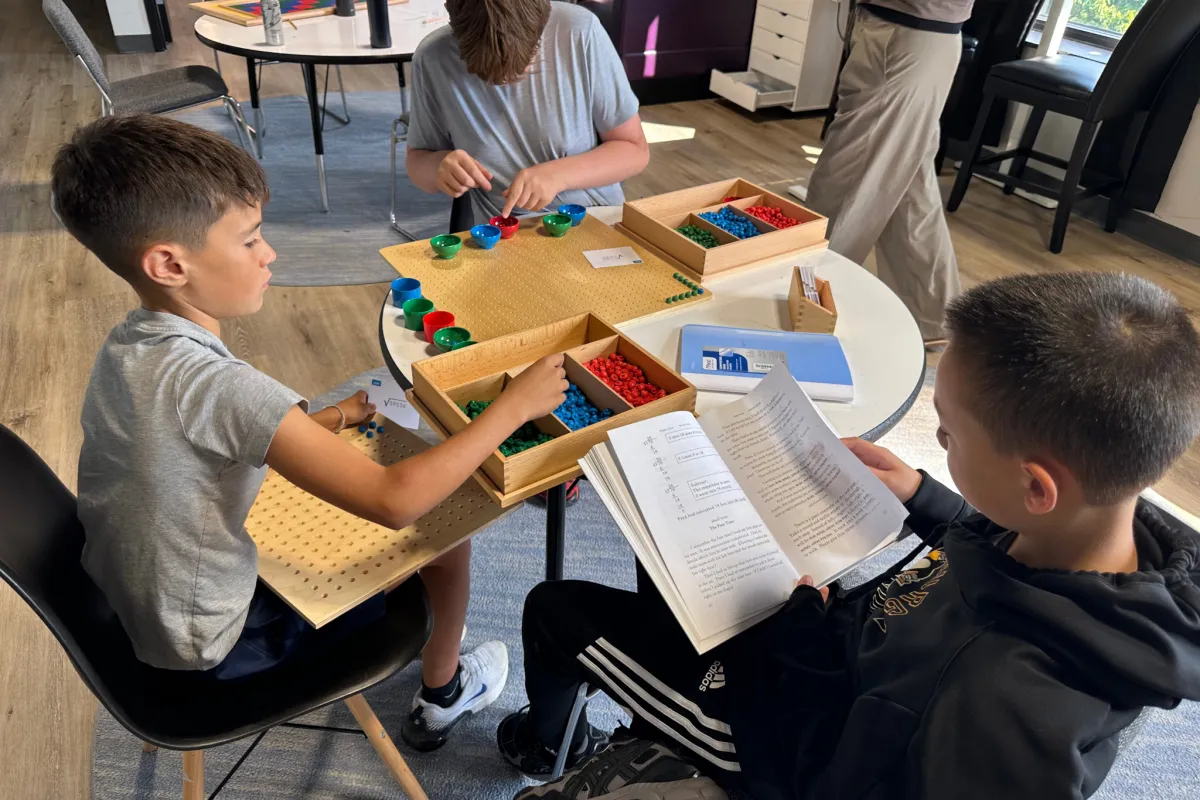
Learners build skills in reading, writing, spelling, grammar, handwriting, math, geography, and practical life through hands-on Montessori materials, lessons, and purposeful practice.
Instead of relying only on worksheets or lectures, learners work with materials they can see, touch, move, organize, and explore.
Guides observe closely, give lessons, check for understanding, and help learners move forward when they are ready.
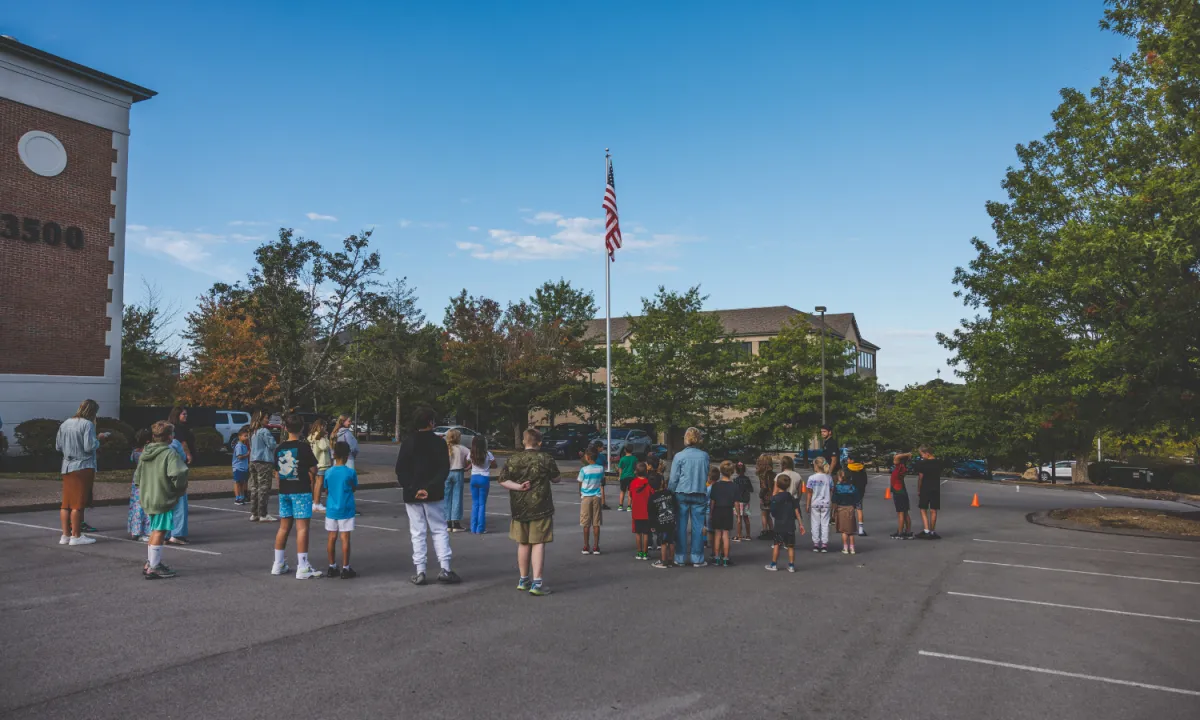
Take Increasing Ownership
Learners are given more responsibility as they grow.
They set goals, manage their time, make choices about their work, reflect on their progress, and learn to follow through on commitments.
Guides are there to coach, challenge, and support them, but learners gradually learn how to take greater responsibility for their own growth.
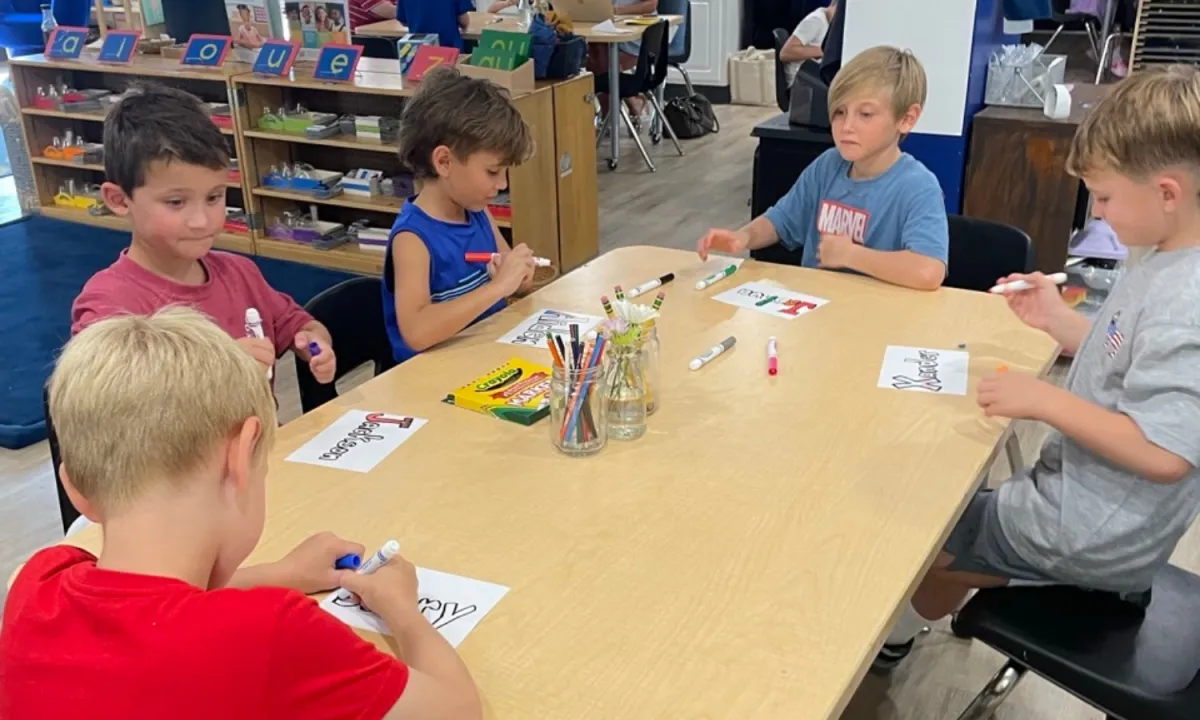
Learn by Doing
Learners step into the role of real world professionals through five week, hands-on projects built around a meaningful challenge.
They might design, build, experiment, research, start a business, solve a problem, or create something for a real audience.
Along the way, they work with others, make decisions, adapt when things do not go as planned, and learn how to communicate their ideas clearly.
Real Leadership and Real-World Experience
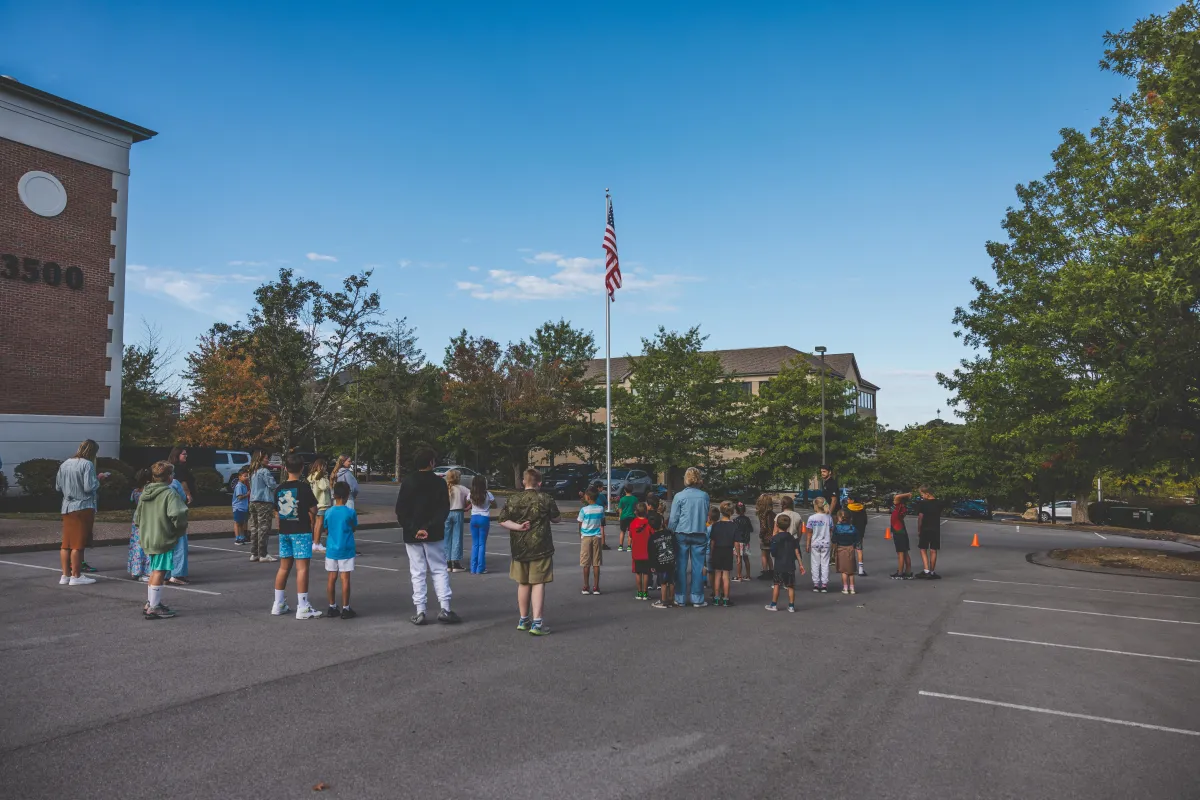
Leadership is something learners practice, not just something they hear about.
They take on roles in the studio, help lead meetings, support other learners, solve community problems, and take responsibility for parts of studio life.
As they get older, they begin exploring entrepreneurship, careers, and apprenticeships so they can test their strengths, interests, and skills in the real world.
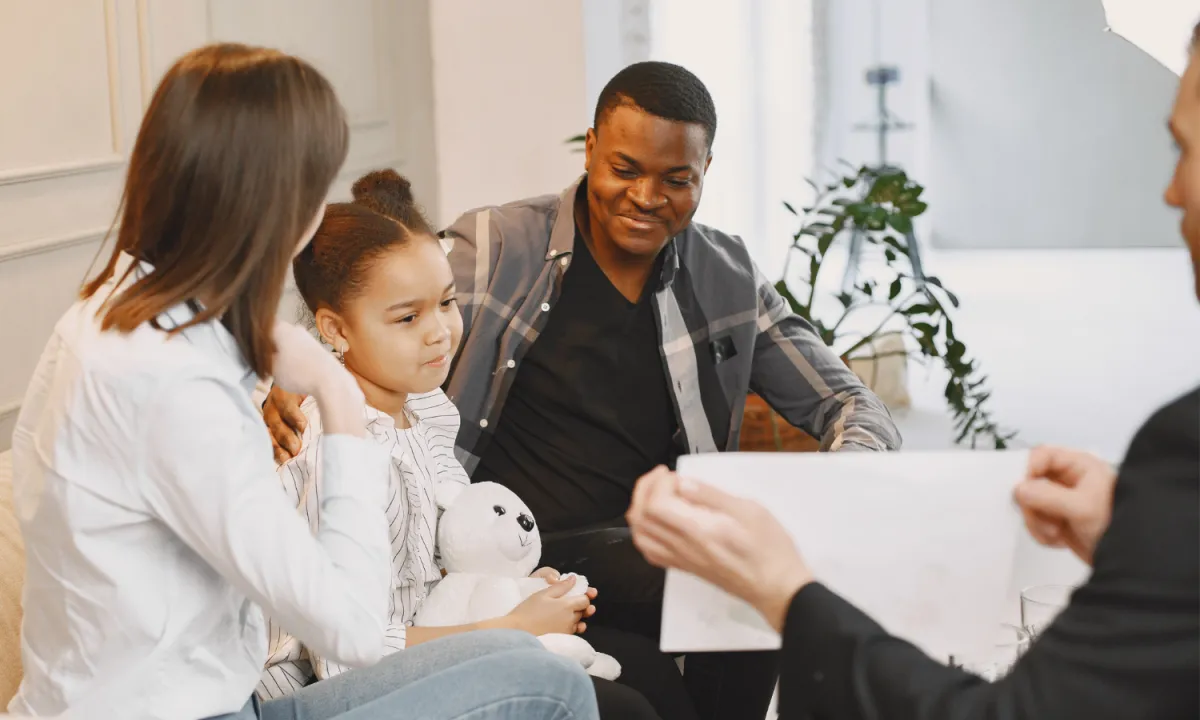
Families Stay Part of the Journey
Learner ownership does not mean parents are left out. Families receive regular updates about progress, wins, areas for growth, and next steps so they can stay connected to the journey.
At the same time, we do not believe evenings should be filled with traditional nightly homework.
We want young people to have time for family, sports, friendships, hobbies, reading, play, and rest after a full school day.
A Different Kind of School
Acton works differently from a traditional school. Learners move at the level that challenges them, build mastery before moving on, take increasing ownership, learn by doing, practice real leadership, and grow with the support of their families.
What Your Child Will Experience at Acton:
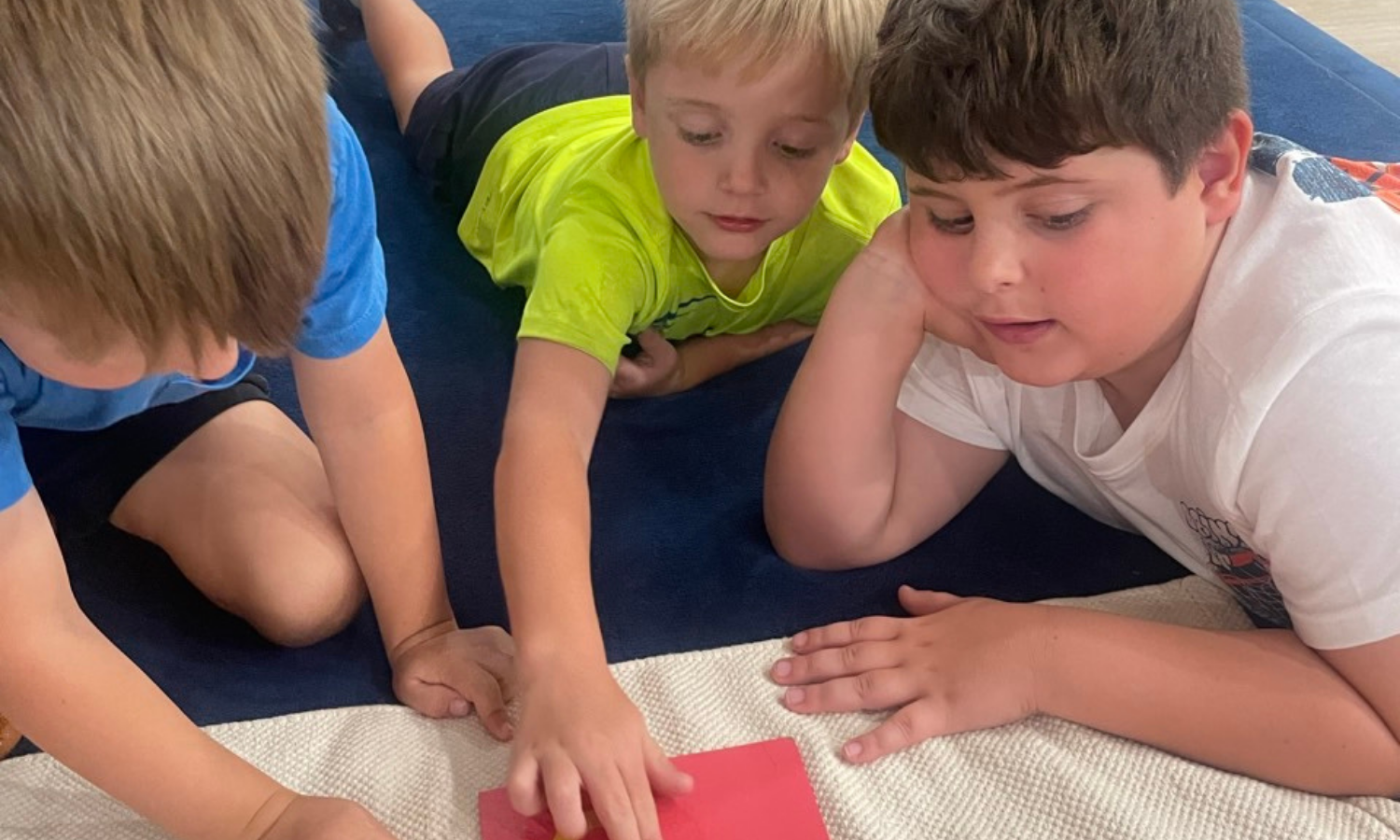
Learn at the Right Level and Move at Their Own Pace
Learners are not expected to move through the same material at the same pace.
They work at the level that challenges them, receive support when they need it, and keep practicing until they can show they truly understand a skill before moving forward.
The goal is not to rush through content. It is to build real understanding and confidence.
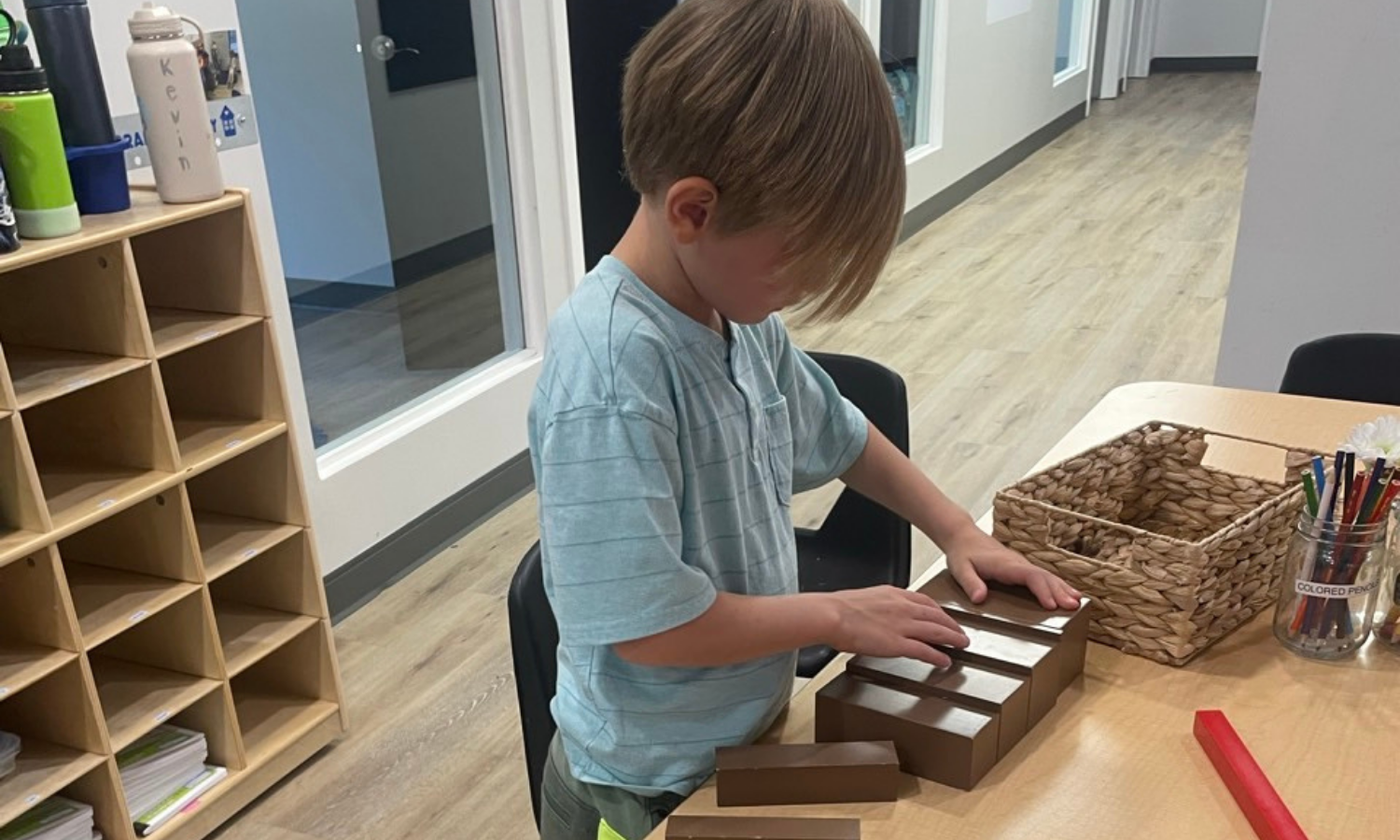
Hands-On Montessori Learning That Builds Skills Step by Step
Learners build skills in reading, writing, spelling, grammar, handwriting, math, geography, and practical life through hands-on Montessori materials, lessons, and purposeful practice.
Instead of relying only on worksheets or lectures, learners work with materials they can see, touch, move, organize, and explore.
Guides observe closely, give lessons, check for understanding, and help learners move forward when they are ready.
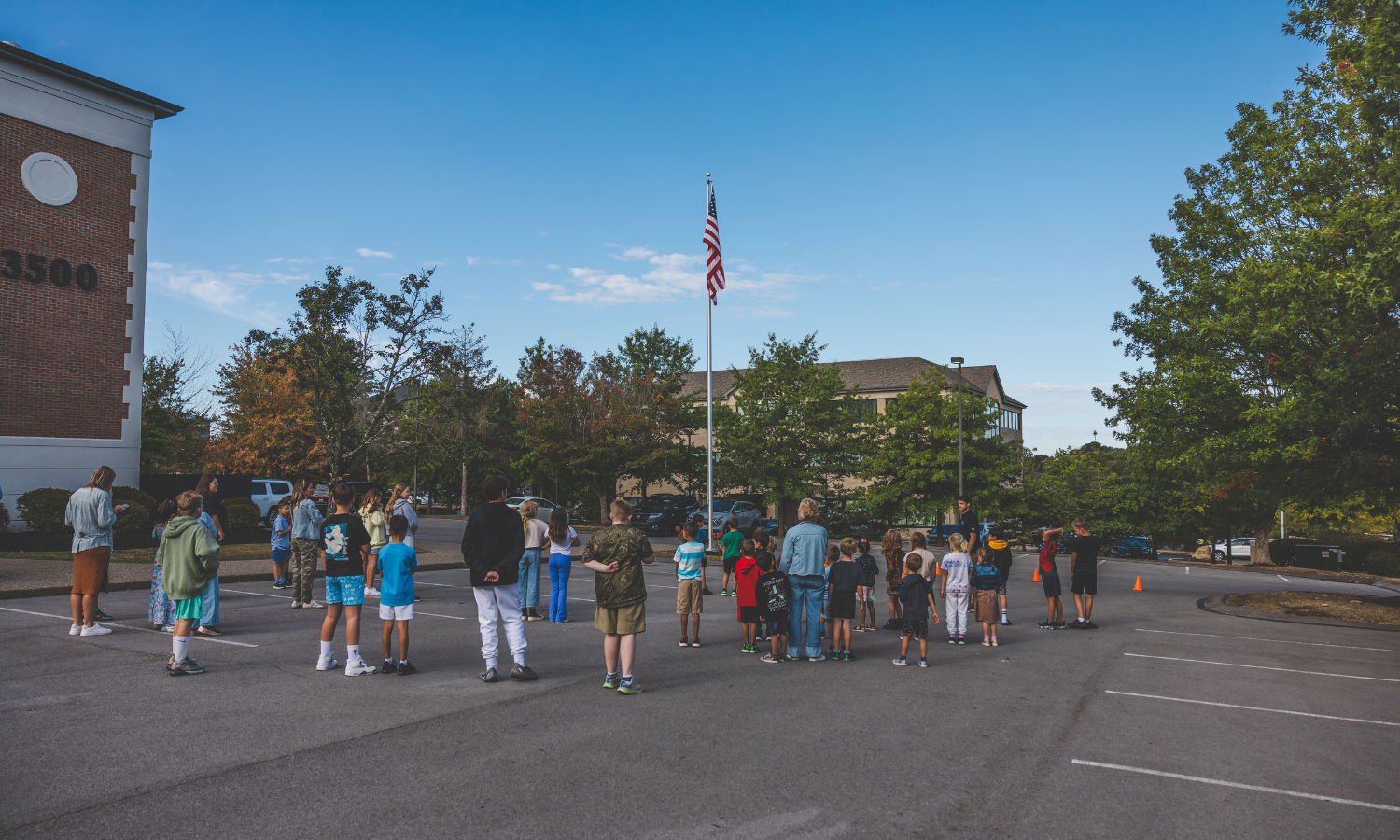
Build Independence by Making Choices and Taking Responsibility
Learners are given more responsibility as they grow.
They set goals, manage their time, make choices about their work, reflect on their progress, and learn to follow through on commitments.
Guides are there to coach, challenge, and support them, but learners gradually learn how to take greater responsibility for their own growth.
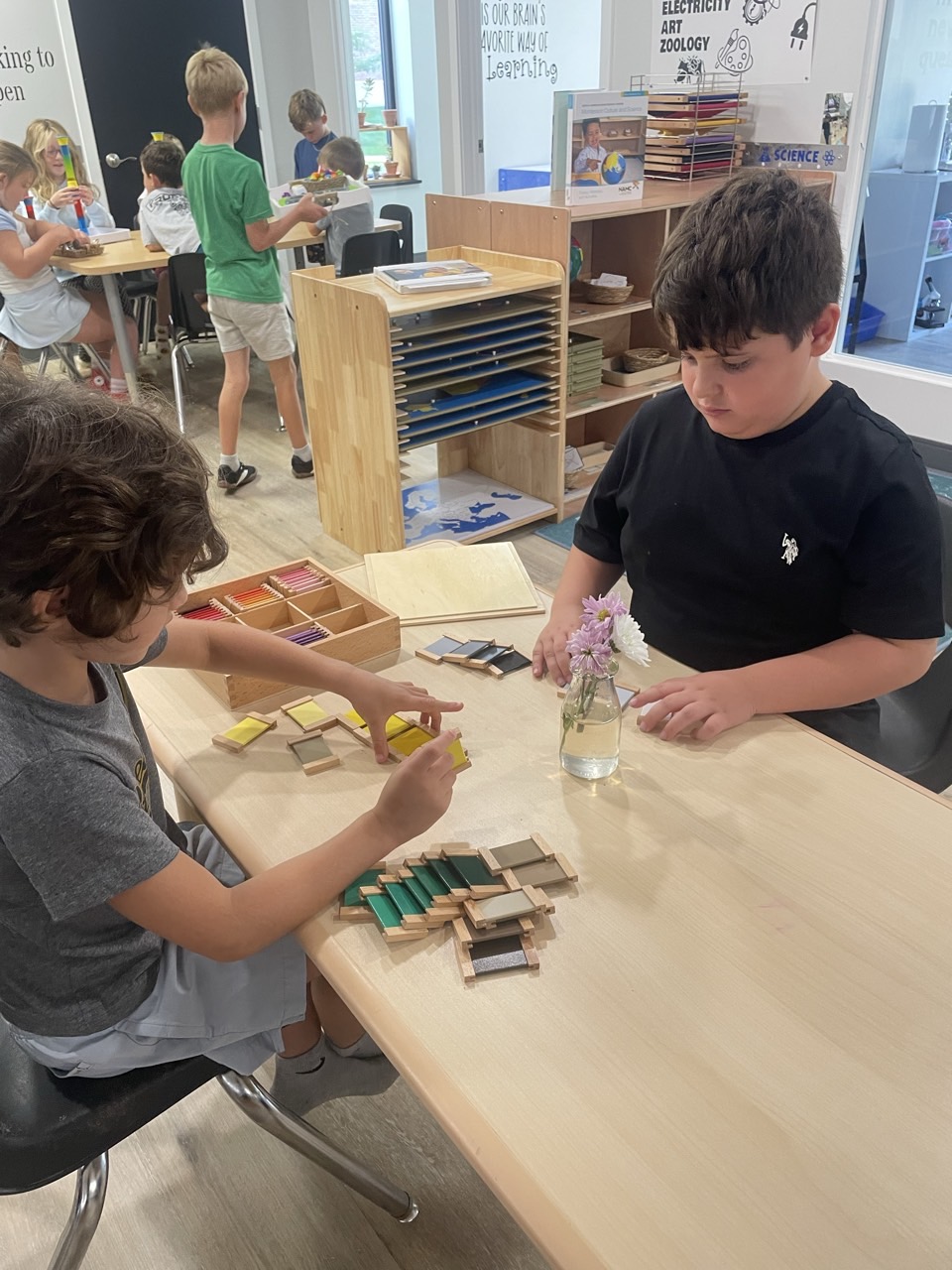
Learn by Doing Real Projects and Solving Problems
Learners step into the role of real world professionals through five week, hands-on projects built around a meaningful challenge.
They might design, build, experiment, research, start a business, solve a problem, or create something for a real audience.
Along the way, they work with others, make decisions, adapt when things do not go as planned, and learn how to communicate their ideas clearly.
Practice Leadership, Teamwork, and Real-World Skills
Leadership is something learners practice, not just something they hear about.
They take on roles in the studio, help lead meetings, support other learners, solve community problems, and take responsibility for parts of studio life.
As they get older, they begin exploring entrepreneurship, careers, and apprenticeships so they can test their strengths, interests, and skills in the real world.

Grow With Support From Family and School
Learner ownership does not mean parents are left out. Families receive regular updates about progress, wins, areas for growth, and next steps so they can stay connected to the journey.
At the same time, we do not believe evenings should be filled with traditional nightly homework.
We want young people to have time for family, sports, friendships, hobbies, reading, play, and rest after a full school day.
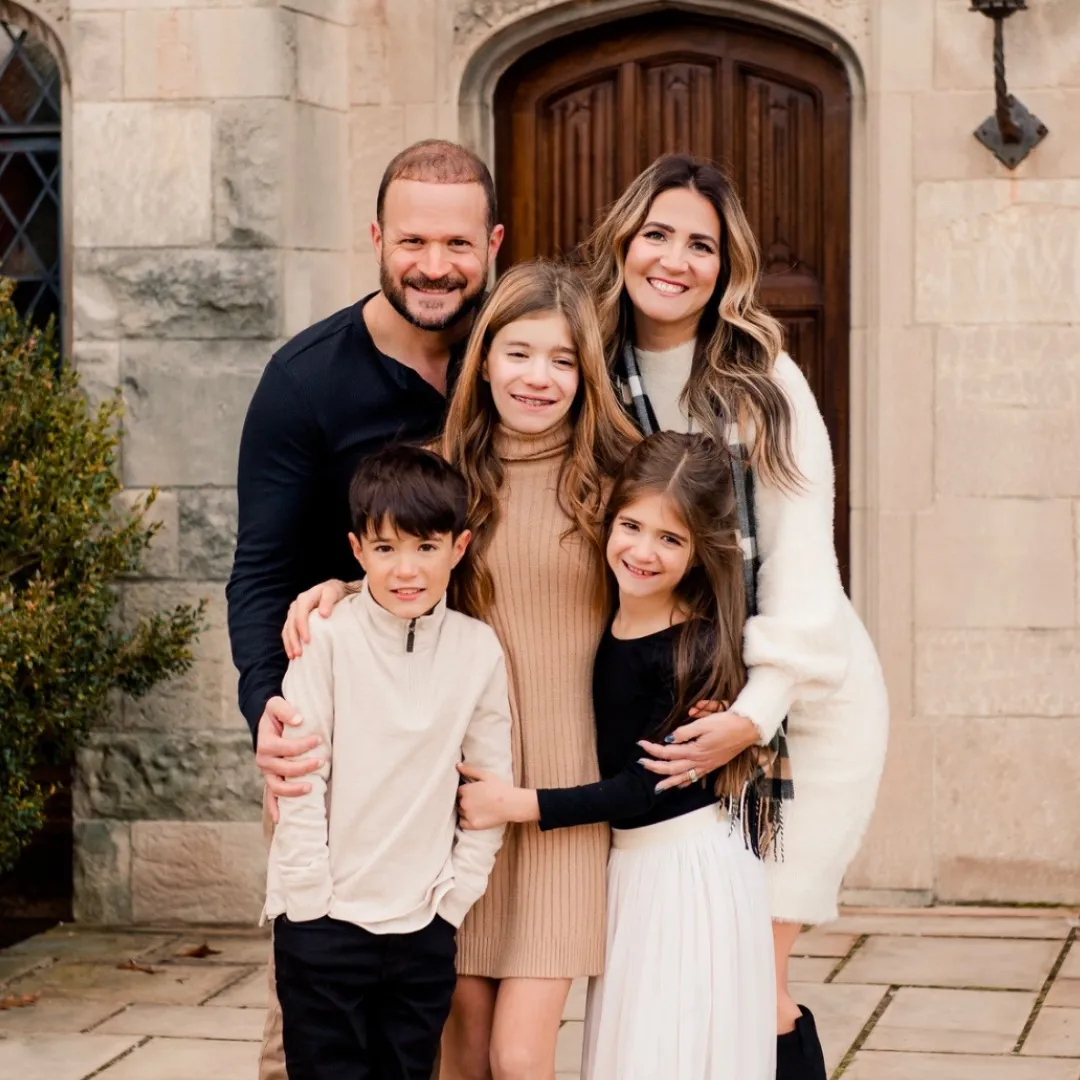
HI, WE'RE
Ronnie and Meghan Esposito
founders of Acton Academy Pittsburgh
Like many parents, we wanted the very best education possible for our three children.
The challenge was that each of our children was completely different, with their own strengths, interests, and passions.
We weren't looking for a one-size-fits-all approach.
We wanted a place where curiosity was protected, character mattered, and young people were trusted with real responsibility.
As we looked at the world our children were growing up in, one thing became clear: the future would demand far more than memorization and test-taking.
Young people would need to be adaptable, self-directed, and capable of solving problems in a rapidly changing world.
When we discovered Acton Academy, it felt like finding something we had been searching for all along.
Today, we're honored to serve families who believe young people are capable of far more than most adults imagine.
One Journey. Different Stages.
Each studio builds on the one before it.
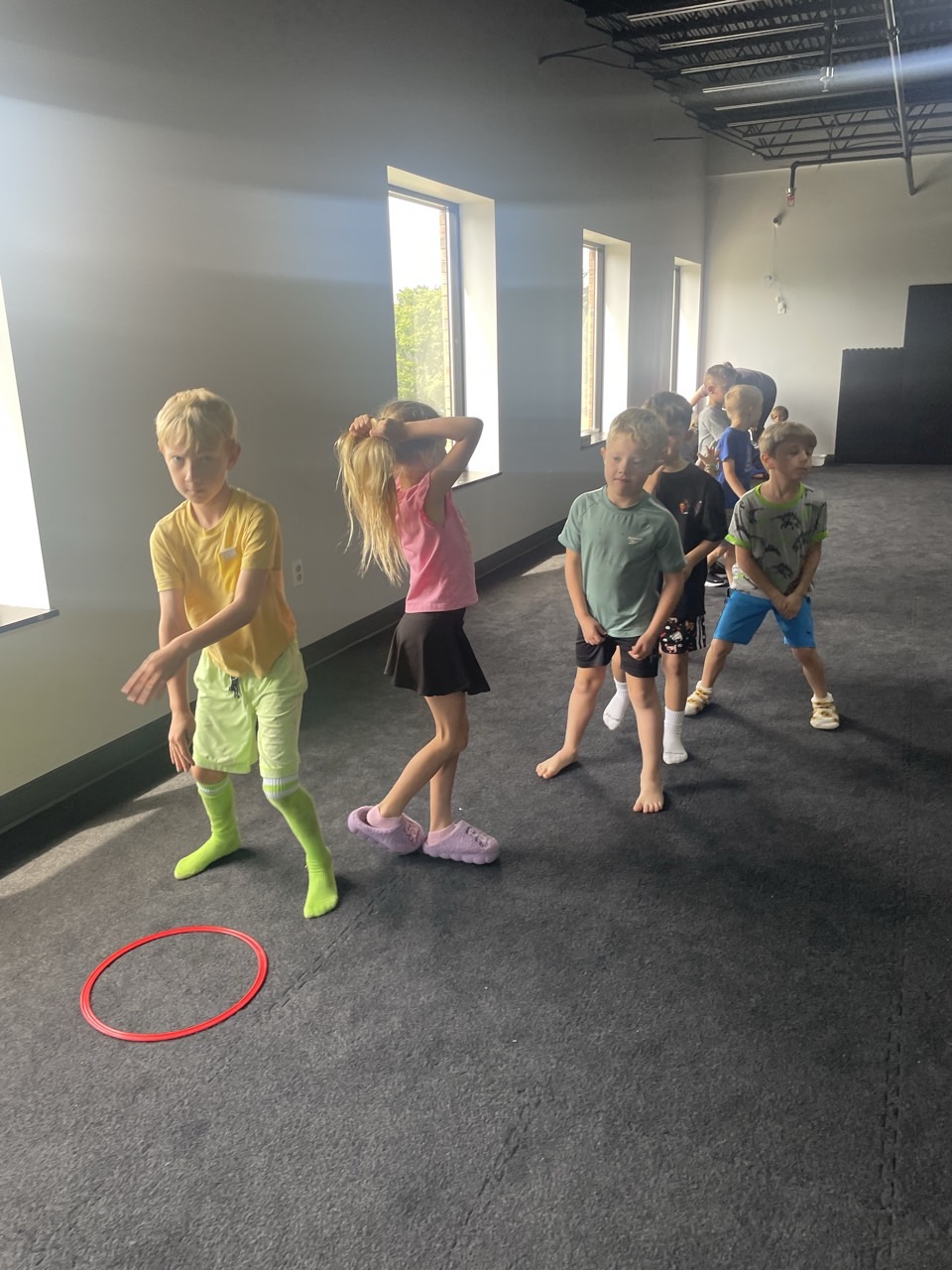
Ages 4-7 Years Old
Spark Studio
Build confidence, independence, curiosity, and a love of learning through hands-on exploration.
I love learning.
I belong.
I am capable.
Ages 8-11 Years Old
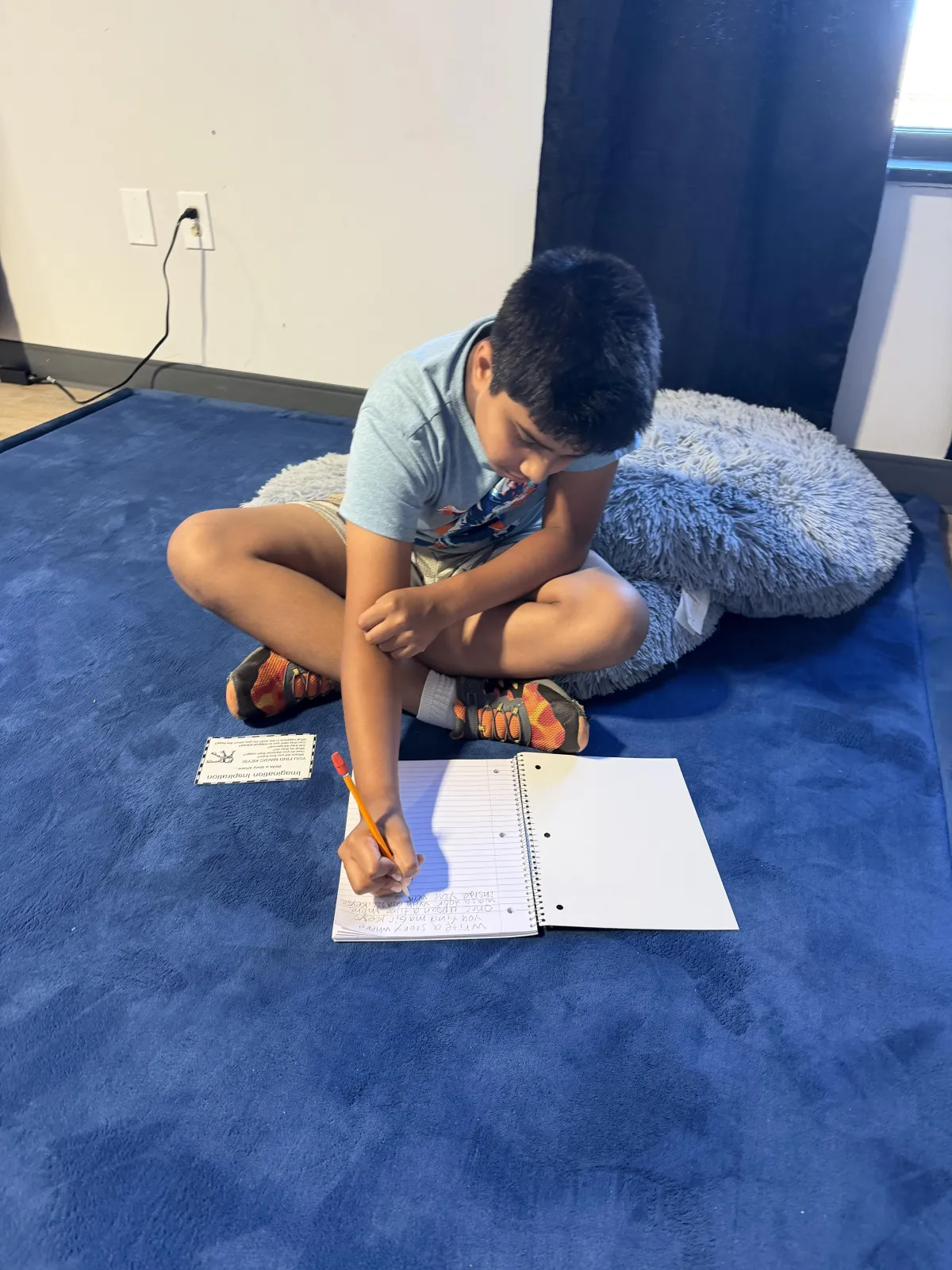
Elementary Studio
Build strong academic skills while learning to manage yourself, work with others, and contribute to a community.
I can manage myself.
I can contribute.
I can learn from mistakes.
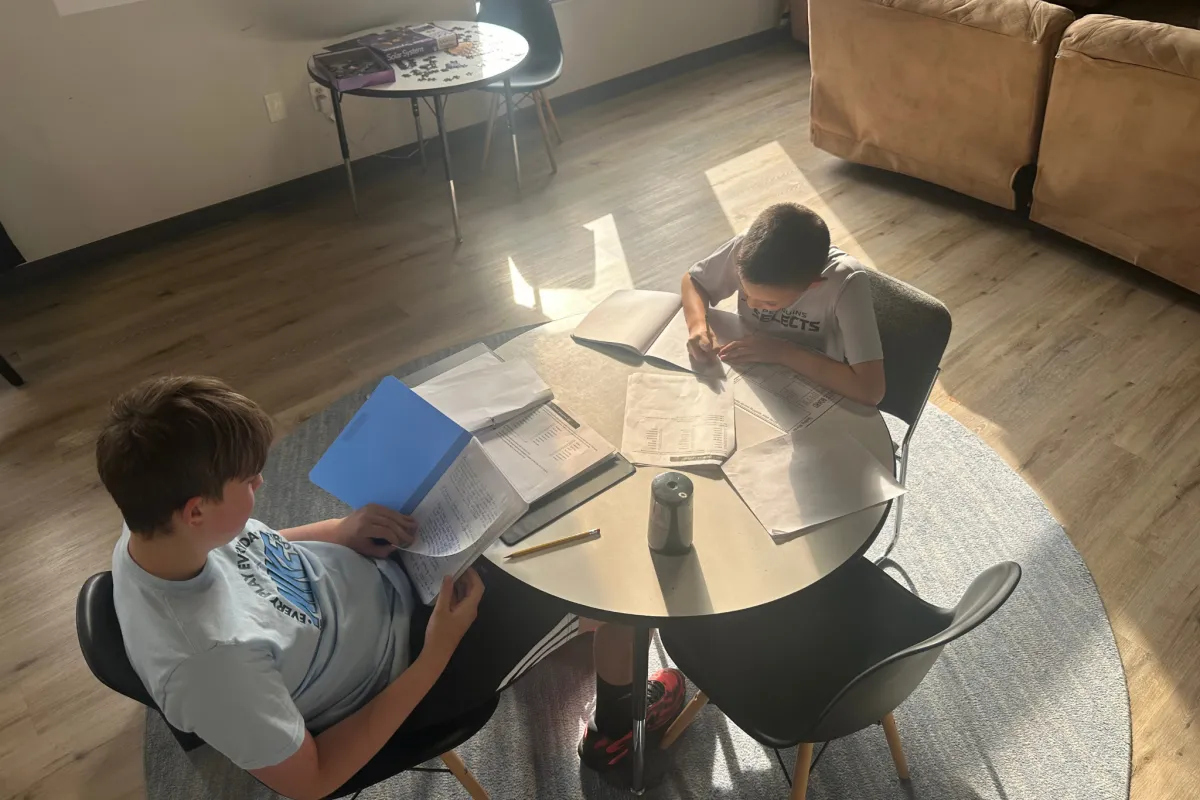
Ages 12-15 Years Old
Middle School Studio
Take on bigger challenges, strengthen communication, build independence, and begin testing yourself in the real world.
I can take on difficult challenges.
I can communicate.
I can test myself in the real world.
Ages 16-18 Years Old
Launchpad Studio (Coming Soon)
Discover and prepare for your Next Great Adventure through academics, apprenticeships, real-world exploration, and meaningful work.
I know myself.
I can lead myself.
I can create value.
ACTON ACADEMY PITTSBURGH REVIEWS
What Parents Are Saying About Us
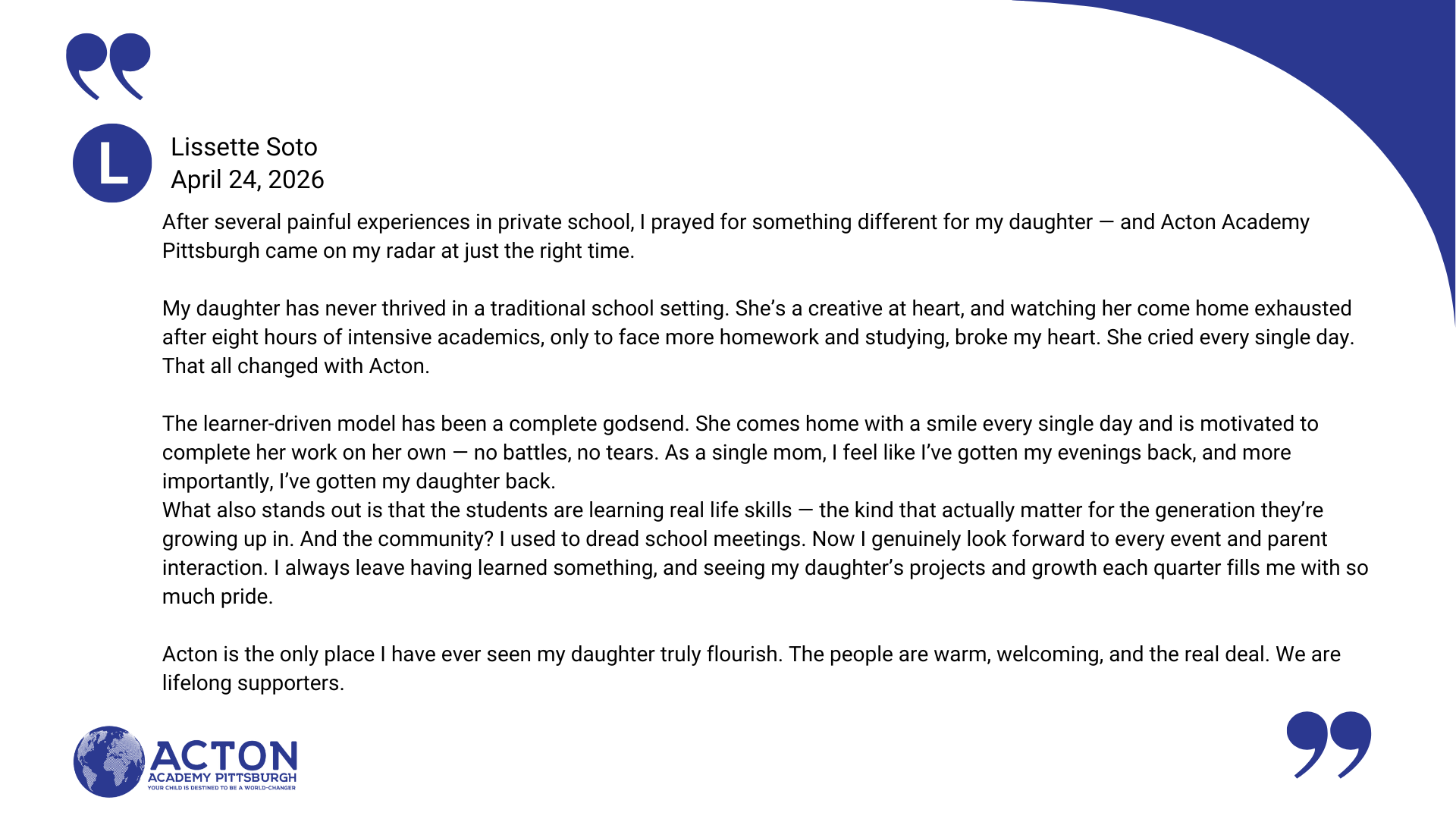
"The first place my daughter has ever truly flourished.."
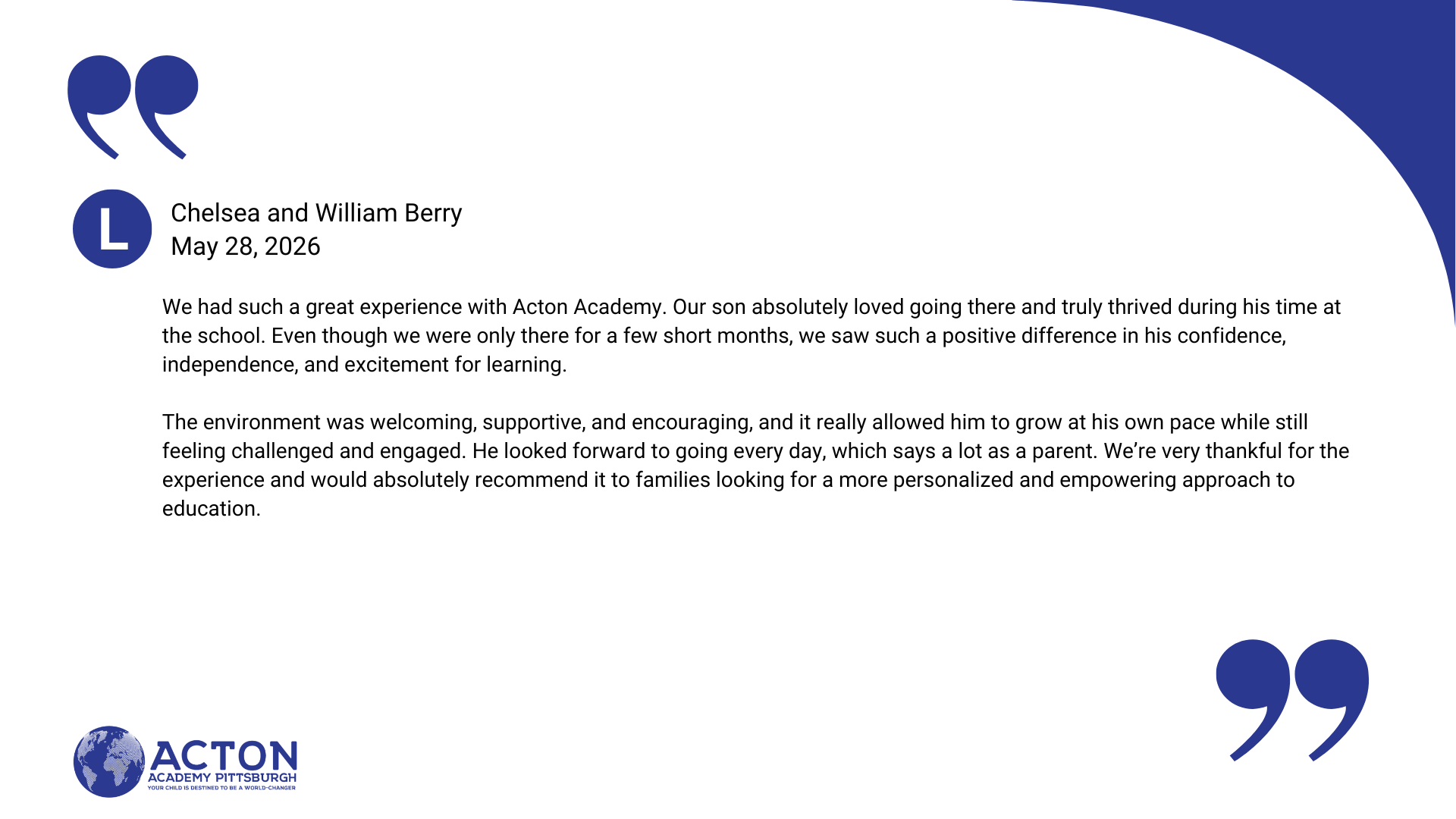
“The best part? He looked forward to school every day.”
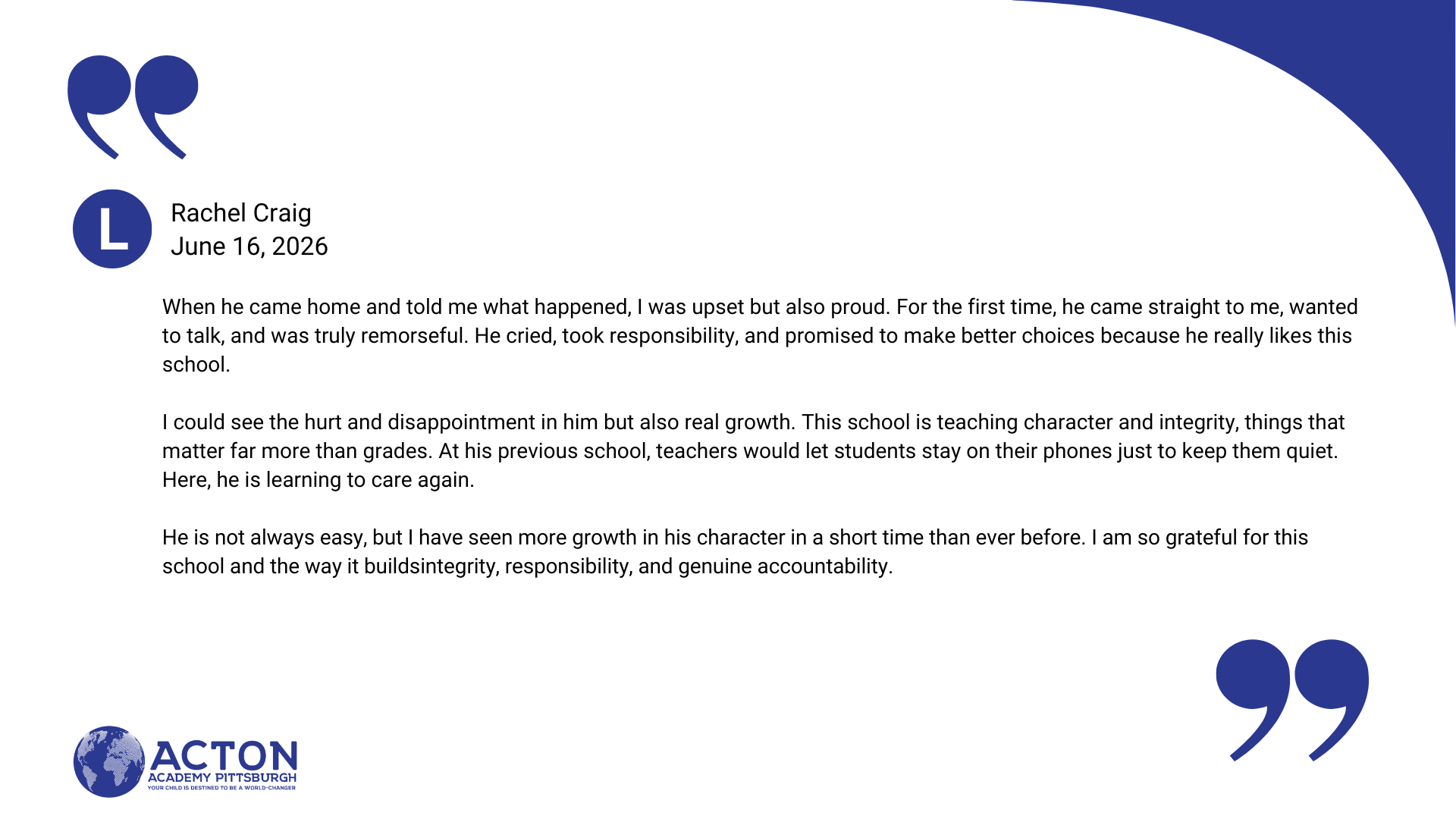
“This school is teaching character and integrity.”
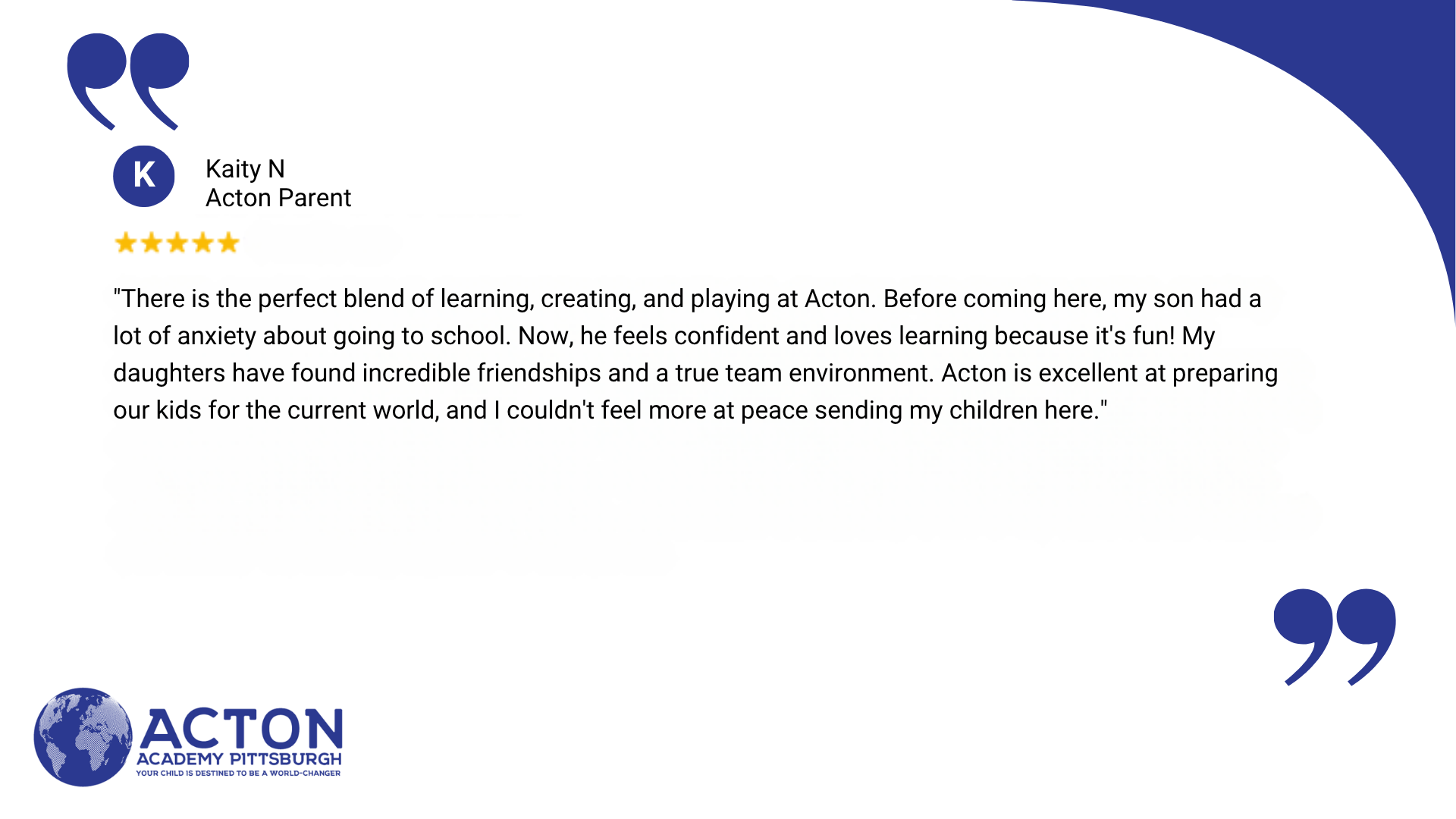
"My kids ask on weekend days if they can go to school!"
See If Acton Is the Right Fit for Your Family
Acton is different from a traditional school, and we know it won’t be the right fit for every learner or every family.
Tell us a little about your learner and what you’re looking for. We personally review every inquiry and will reach out to learn more.
Contact Us
Acton Academy Pittsburgh, 3500 Brooktree Road Wexford, PA 15090 USA


Acton Academy Pittsburgh © 2026
