
How Learning Works at Acton
Learning to learn, learning to do, and learning to be.
We believe those three matter more than learning to know. This page shows what that looks like in a real day: what learners work on, how progress is measured, and how the studio runs.
Three Kinds of Learning
Most schools focus on learning to know. We focus on three things we think matter more.
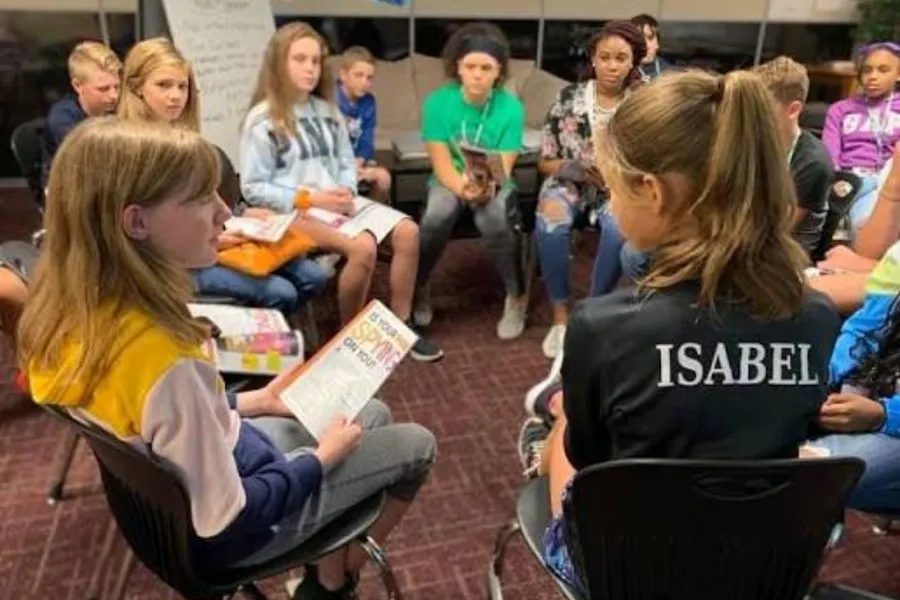
Learn to Learn
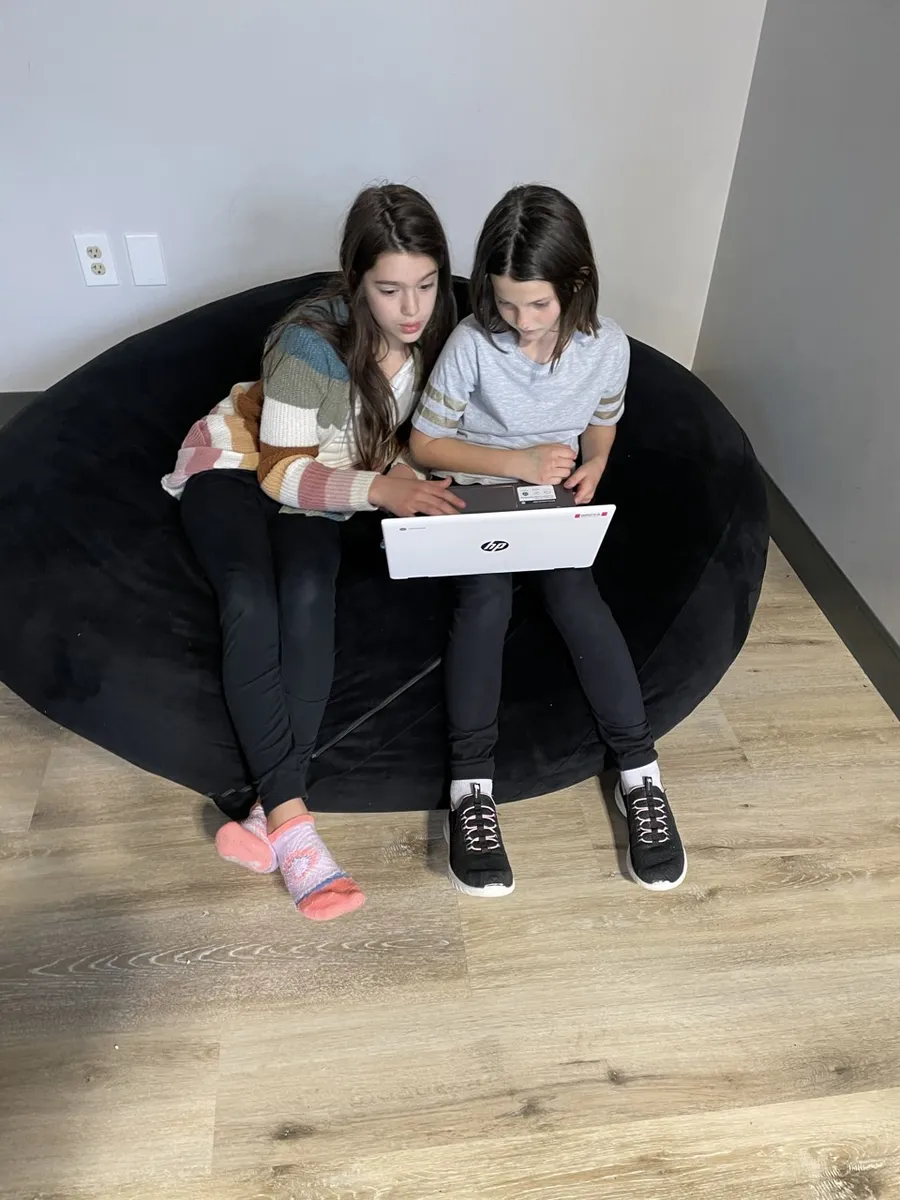
Socratic discussions and self-paced challenges help learners become independent, lifelong learners.
What it looks like
- Self-paced work toward mastery in reading, writing, and math.
- Socratic discussions about heroes, history, and self-governance that sharpen how learners think, write, and speak.

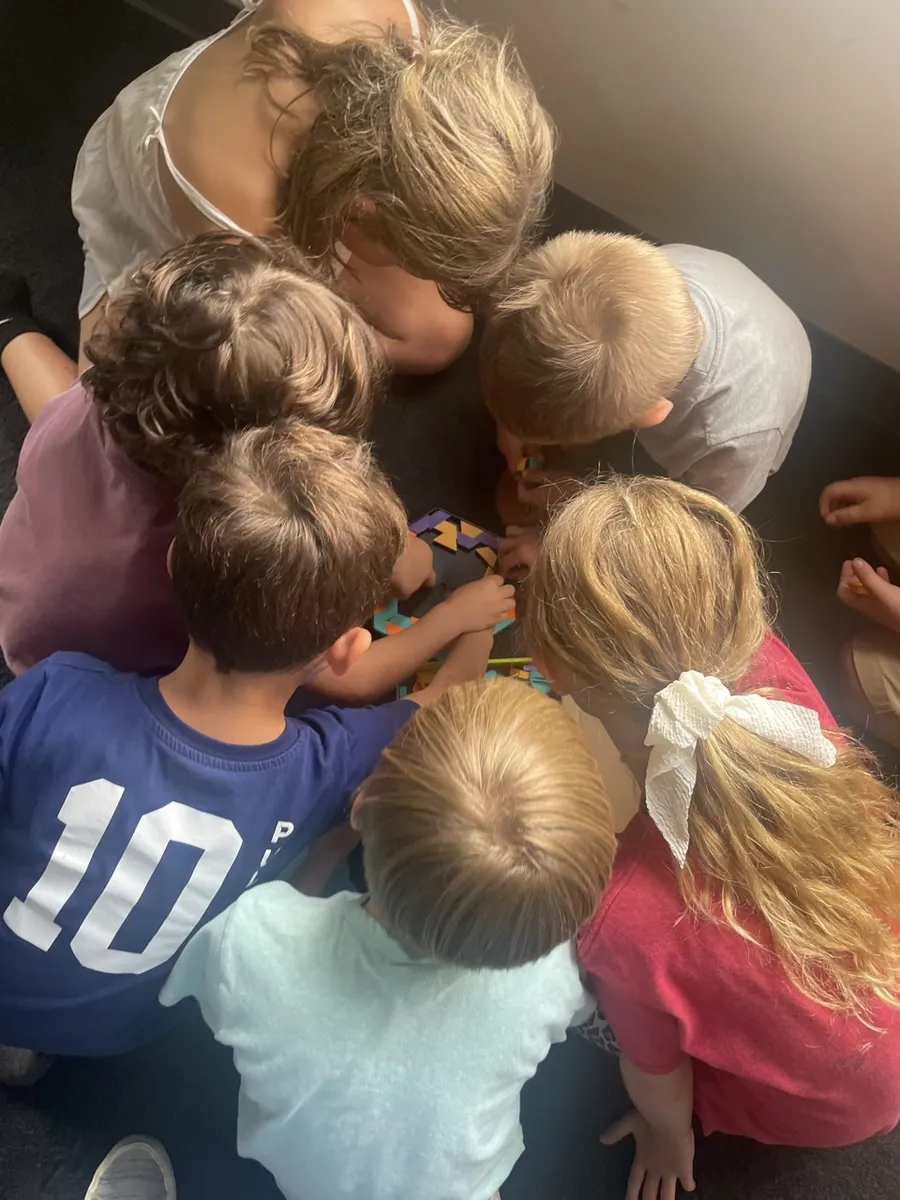
Learn to Do
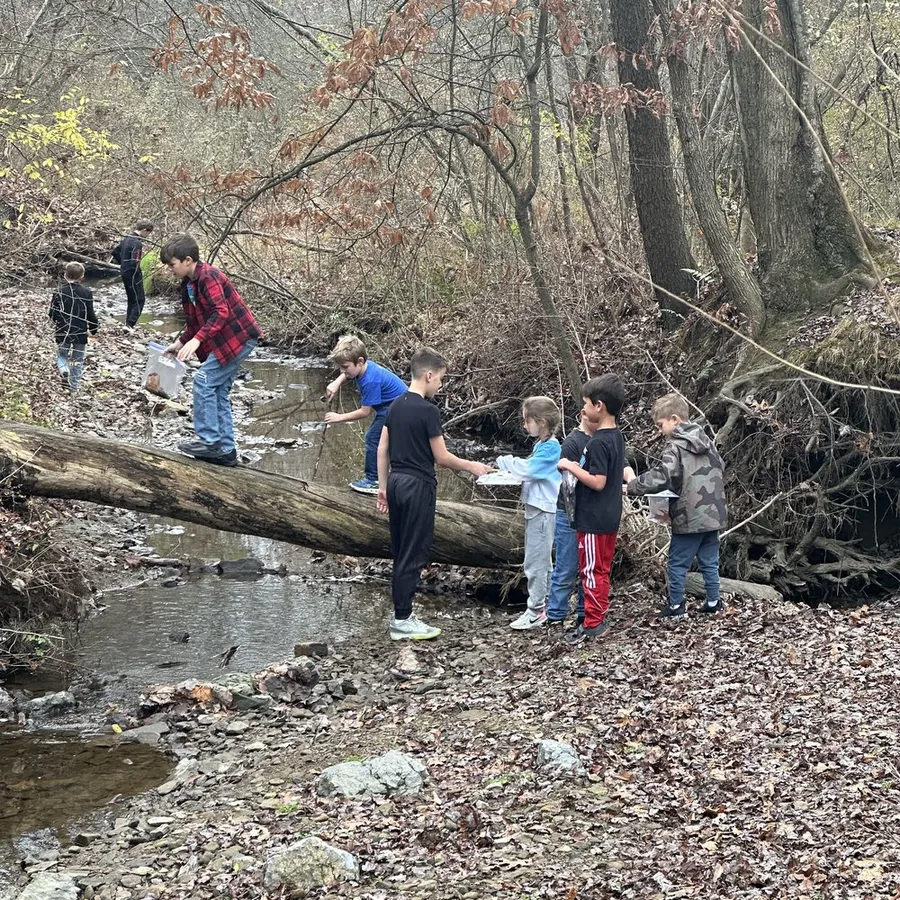
Hands-on Quests in science, entrepreneurship, and the arts prepare learners for apprenticeships and real-world challenges.
What it looks like
- Project-based Quests to master the tools and skills needed to solve real problems.
- Real tools for art, engineering, tech, and storytelling.
Learn to Be
The Hero's Journey, written promises, and real-world consequences turn difficult decisions into good habits.
What it looks like
- Written promises that hold the community together.
- Learning to build real friendships and resolve problems honestly.
We believe clear thinking leads to good decisions, good decisions lead to the right habits, the right habits forge character, and character determines destiny.
Does Acton use Montessori?
Yes. Core skills are built with Montessori and other hands-on materials, along with direct lessons, hands-on projects, and Socratic discussion.
A Day in the Life
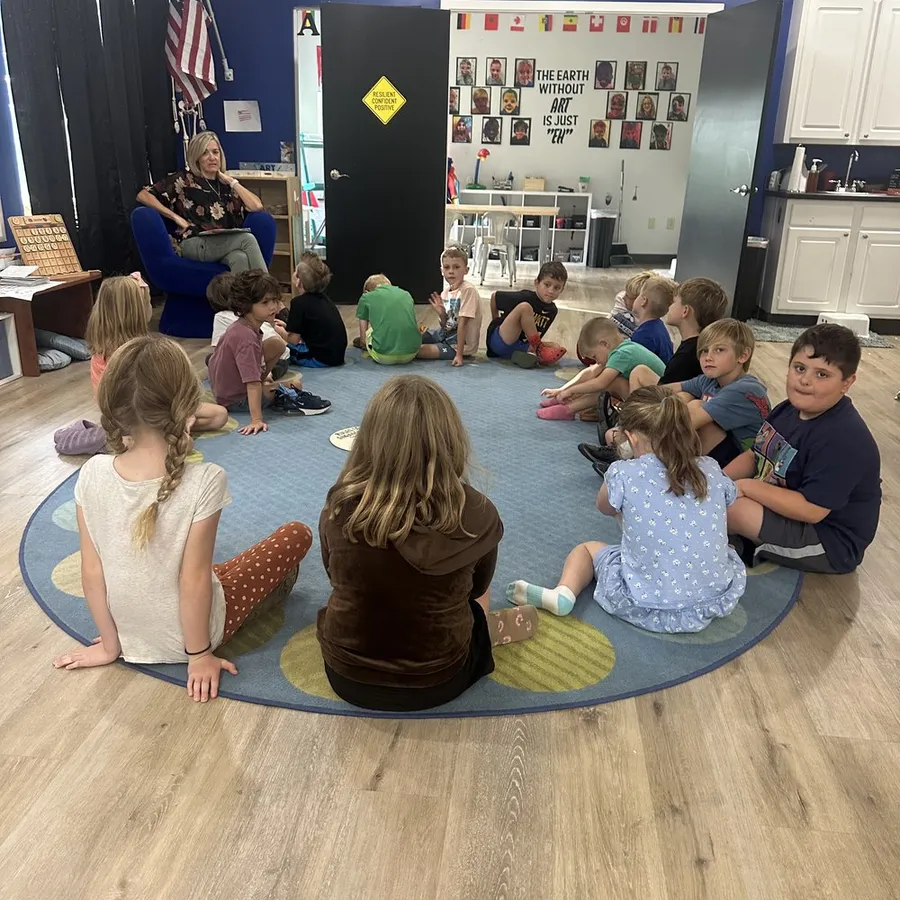
A day in our studios is creativity within constraints: large blocks of time for work and play, with clear but broad guardrails, so learners practice managing their time, setting goals, and tracking progress.
Morning
Afternoon
The schedule is flexible. Learners can rearrange work blocks and choose from different work options based on their goals, interests, and commitments.
Times
Drop-off is 8:30–8:45 AM. Pickup is 3:15–3:30 PM.Lunch
Lunch comes from home each day.Homework
No traditional nightly homework. Learning happens in the studio, so home is family time.Can you picture your child in a day like this?
Tell us a little about them.
How Progress Is Measured Without Grades
Learners show mastery of tools, skills, and character by earning badges and presenting their work in public.
Badges
Learners use badges to track academic progress in Core Skills like reading, writing, math, and spelling, and character growth through Servant Leader badges.
Public exhibitions
Learners present their work in public exhibitions at the end of each five-week Quest.
Peer reviews
At the end of each session, learners review each other on how well they manage themselves and help govern the studio.
Parents attend exhibitions and journey meetings, and can see their child's progress throughout the year.
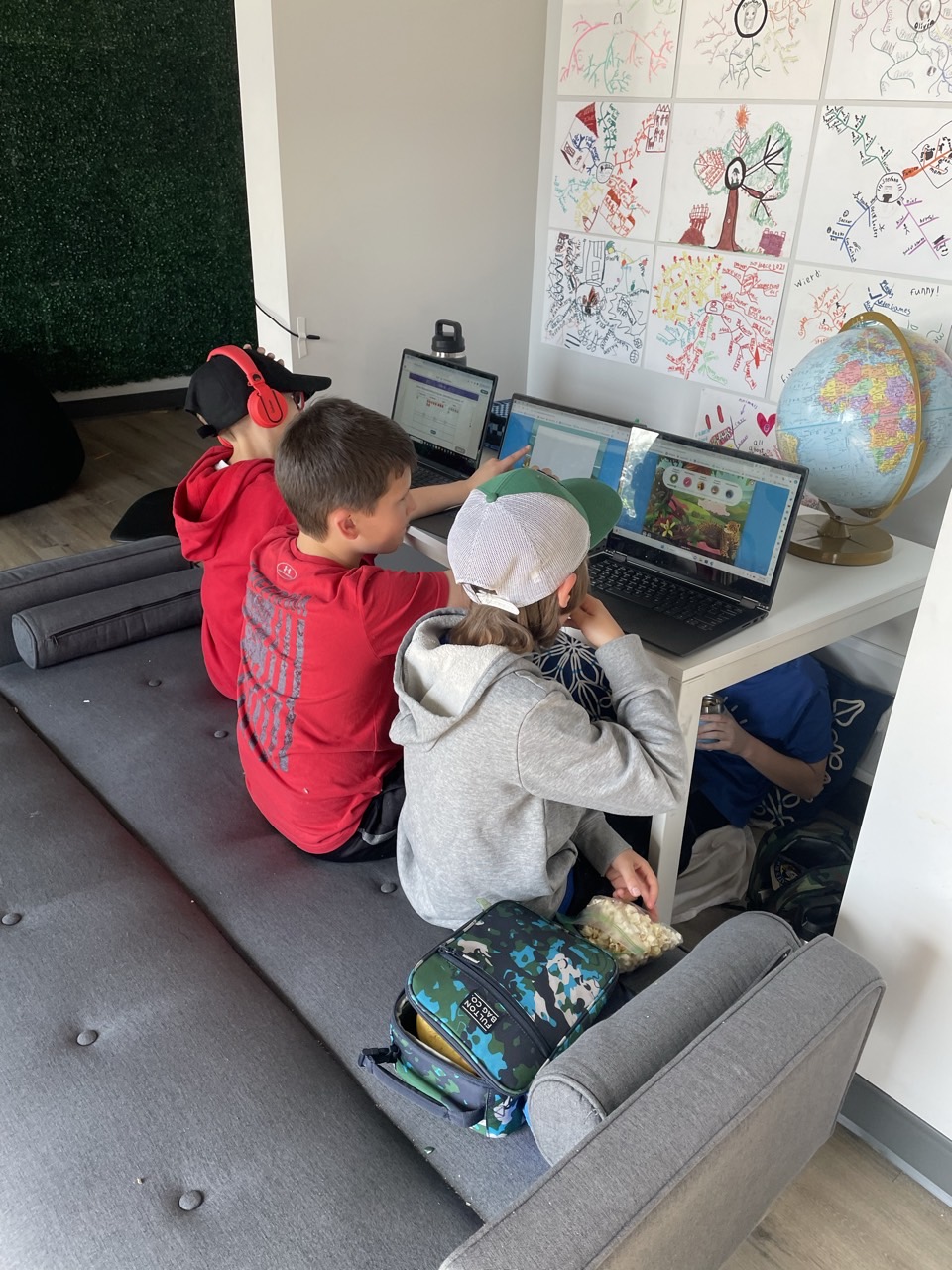
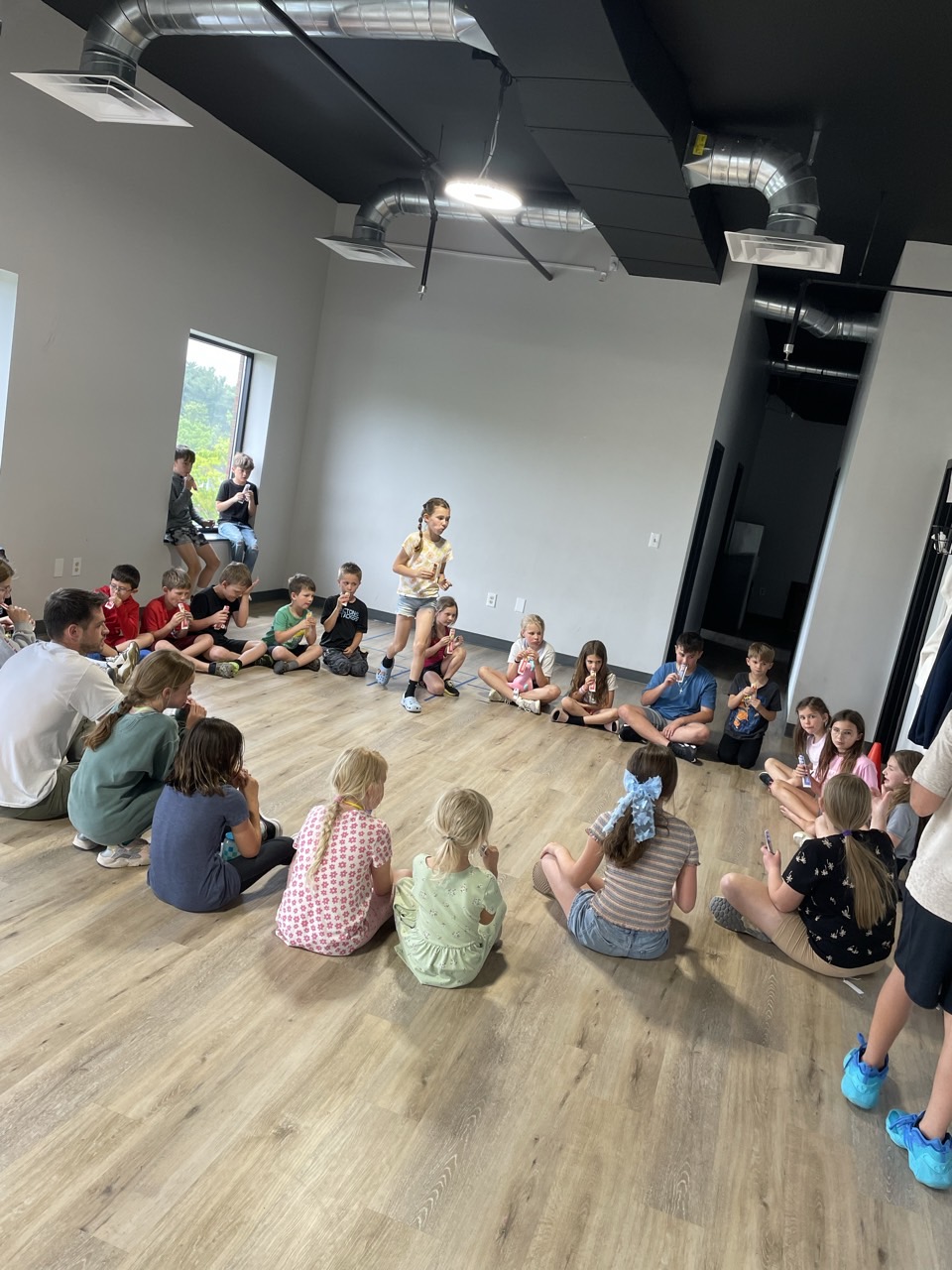
A Studio the Learners Help Run
Learners work in close-knit, mixed-age studios with high standards, where managing yourself and governing together are part of every day.
A Contract of Promises.
Learners write and sign a contract describing how each person will act, and the consequences for breaking the community's agreements.
Running Partners and Squads.
Younger and older learners pair up and work in small groups to listen, encourage each other, set goals, and hold each other accountable.
Servant Leader badges.
These recognize decisions that are both warm-hearted and tough-minded, the kind that build character.
When agreements are broken, a clear strike system helps protect the studio's culture.
Learning by Doing, in the Real World
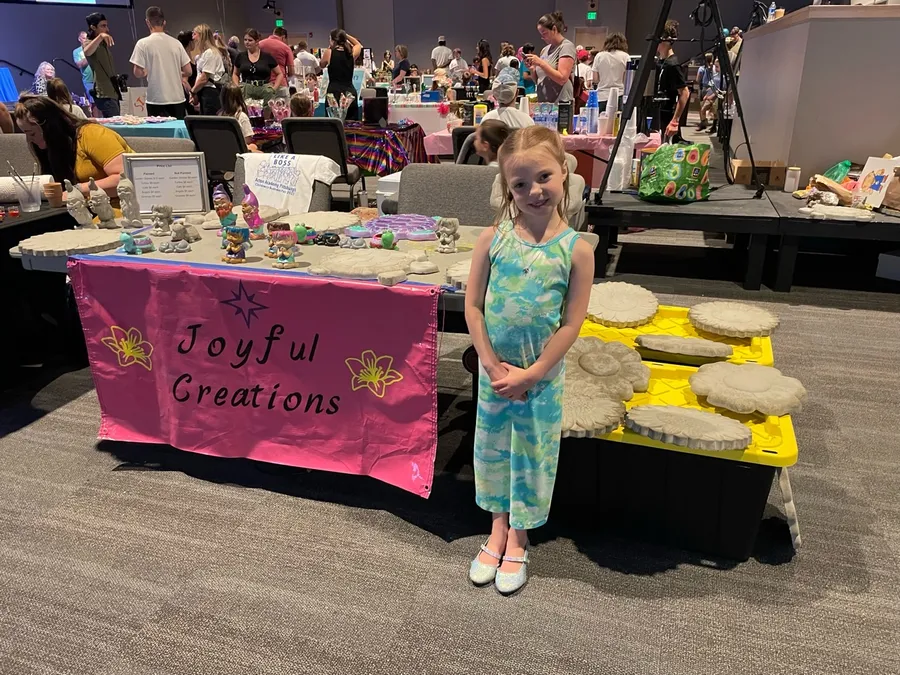
Every year, learners build small businesses from the ground up.
Where Acton Graduates Have Gone
Our own high school studio opens in 2027, so these are outcomes from Acton graduates across the network.
College
Acton graduates across the network have gone on to Ivy League schools.
Business
Some have launched businesses right out of high school.
Careers
Others have started careers because apprenticeship managers wanted to hire them, some as young as 15.
Every learner's path is their own. These are examples from across the network, not promises. Read more on the Launchpad page →
What Our Families Say
We'd rather you hear it from Acton Academy Pittsburgh parents, in their own words.
“There is the perfect blend of learning, creating, and playing at Acton.”
Kaity N., Acton parent
“What also stands out is that the students are learning real life skills — the kind that actually matter for the generation they're growing up in.”
Lissette Soto, Acton parent
“This school is teaching character and integrity, things that matter far more than grades.”
Rachel Craig, Acton parent
Begin Your Family's Journey
Acton is different from a traditional school, and we know it won't be the right fit for every learner or every family. Tell us a little about your child and what you're looking for. We personally review every inquiry and will reach out to learn more.
Prefer to talk first? Call 724-201-3655.
Contact Us
Acton Academy Pittsburgh, 3500 Brooktree Road Wexford, PA 15090 USA


Acton Academy Pittsburgh © 2026
