
Middle School Studio
Where challenge becomes real.
In Middle School, learners take on harder work, more freedom, and more responsibility, and start testing themselves outside the studio.
Thinking about high school already? Jump to What comes after Middle School, or anything else below.
More Freedom. More Weight to Carry.
Middle School is a major shift in the Acton journey. Learners get more freedom, and they're expected to carry more responsibility for it.
I can take on difficult challenges.
Learners take on hard work, solve problems, and build the perseverance to keep going when things get hard.
I can communicate.
Learners practice writing, speaking, listening, presenting, debating, and explaining their thinking clearly.
I can test myself in the real world.
Learners step beyond the studio through real-world work, leadership, public exhibitions, and apprenticeships.
| In Elementary (8–11) | In Middle School (12–15) | |
|---|---|---|
| Goals | Learners begin setting goals and deciding how to use their work time. | Learners manage larger goals and more complex problems. |
| Guides | Guides set clear expectations and coach, but don't manage every minute. | Guides intentionally step back and let learners wrestle with hard decisions. |
| Community | Learners help shape the studio's culture. | Learners help run it: leading meetings, solving problems, mentoring younger learners. |
| Communication | Socratic discussions about stories, dilemmas, and real-world problems. | Debates, presentations, revised writing, and discussions about history, ethics, and real decisions. |
| Beyond the studio | Field trips, guest presenters, and exhibitions. | Public exhibitions and apprenticeships alongside adults. |
Where does Middle School fit in the Acton journey?
Each studio builds on the one before it:
Spark (ages 4–7): I love learning. I belong. I am capable.
Elementary (ages 8–11): I can manage myself. I can contribute. I can learn from mistakes.
Middle School (ages 12–15): I can take on difficult challenges. I can communicate. I can test myself in the real world.
Launchpad (ages 16–18, coming 2027): I know myself. I can lead myself. I can create value.
Freedom Works When It's Matched by Responsibility
Middle School learners are given meaningful freedom. The question every parent asks is what happens when a teenager doesn't use it well. Here's the honest answer.
Learners are expected to use their time well, contribute to the community, and produce work they're proud of. Freedom levels are earned through responsibility, work quality, and character. When things don't go well, learners reflect, make adjustments, and try again. Over time, that builds responsibility, persistence, and high standards.
Excellent
Sometimes the result is excellent.Not Yet
Sometimes it's Not Yet: not finished, not mastered, not where the learner wants it to be. Yet.Reflect, adjust, try again ↺
What if my teen coasts?
Freedom isn't handed over all at once. It's tied to freedom levels that learners earn through responsibility, work quality, and character. When things don't go well, learners reflect, make adjustments, and try again, and Guides hold them to high standards while they do.
How is discipline handled?
Through natural consequences, accountability systems, and peer feedback. When studio agreements are broken (for example disrespect, disruption, unkindness, or unsafe actions), a clear strike system helps protect the studio's culture.
What Middle Schoolers Work On
Mornings build core academic skills. Afternoons are for Quests. Writing and discussion run through both.
Core Skills
Mastery, not just finishing assignments.
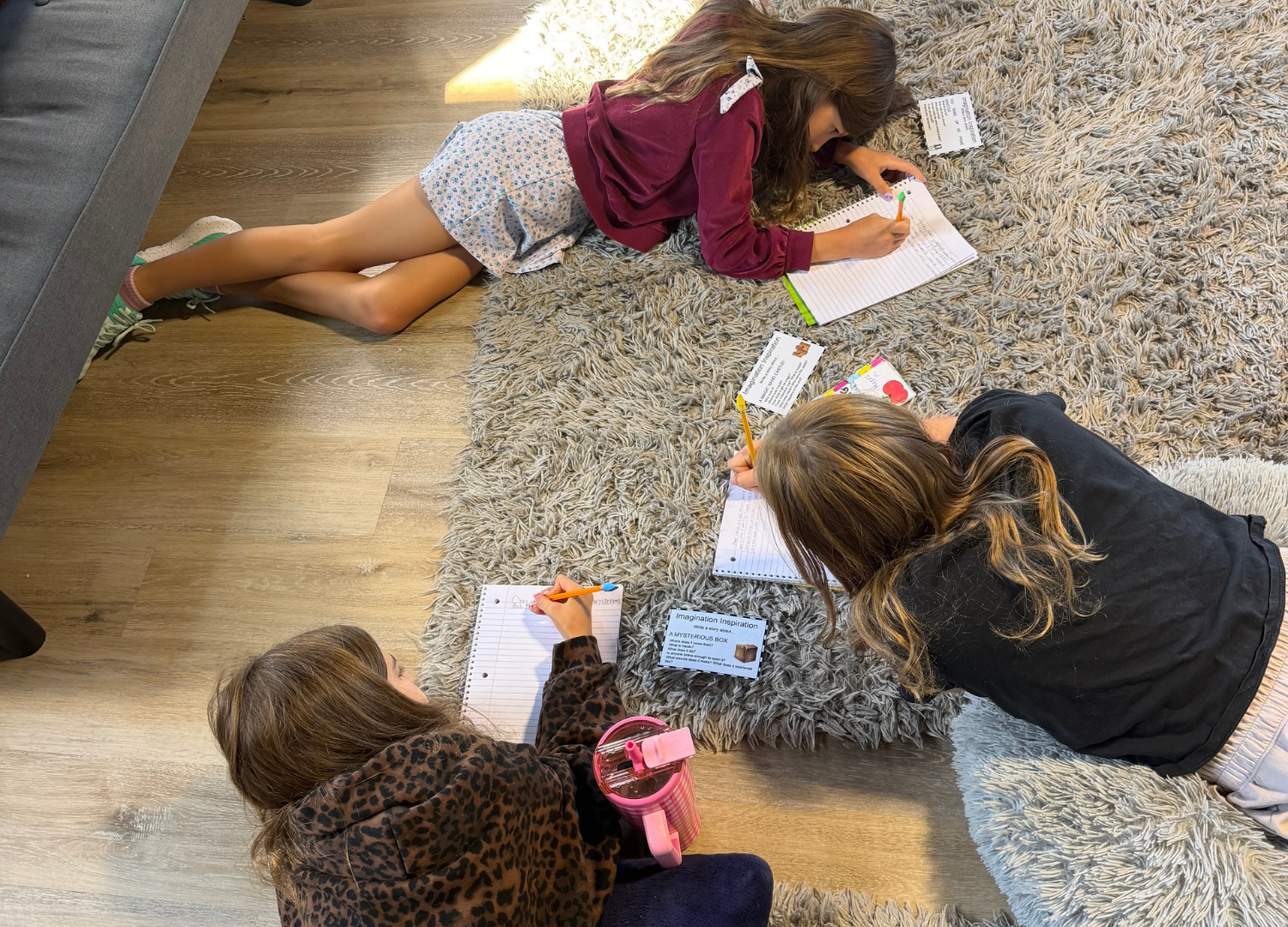
Learners keep building strong foundations in math, reading, writing, grammar, and other essential skills through hands-on materials, paper-and-pencil work, direct lessons, and practice. They work with more independence, while Guides introduce new lessons, give feedback, track progress, and help each learner see what they're ready for next. Learners practice, revise, and keep working until they understand the material and can show what they know.
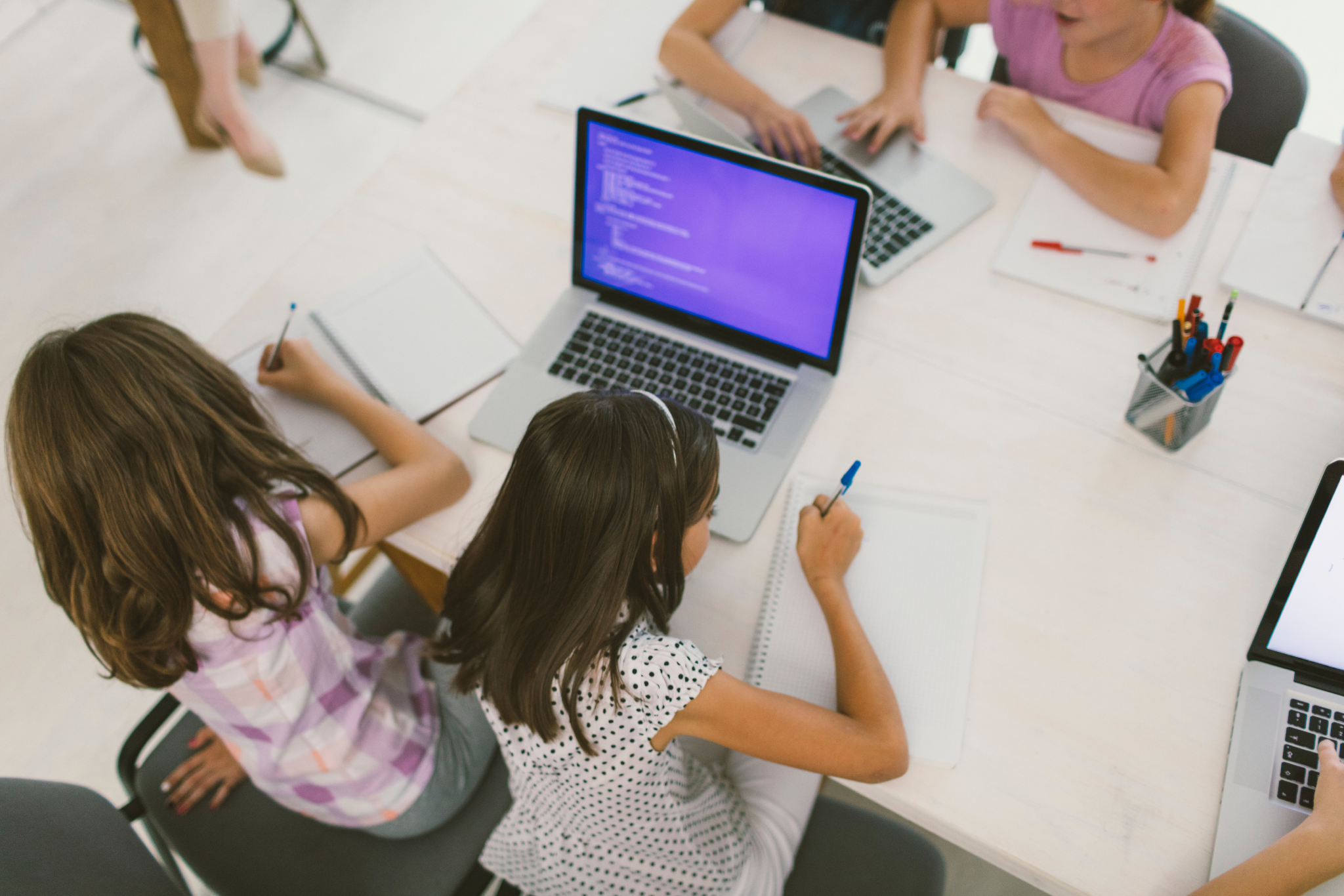
Technology is used for typing, research, presentations, and Quest work when it's the right tool.
The morning uses Montessori and other hands-on materials alongside direct lessons and paper-and-pencil work.
Quests
Real roles. A public exhibition at the end.
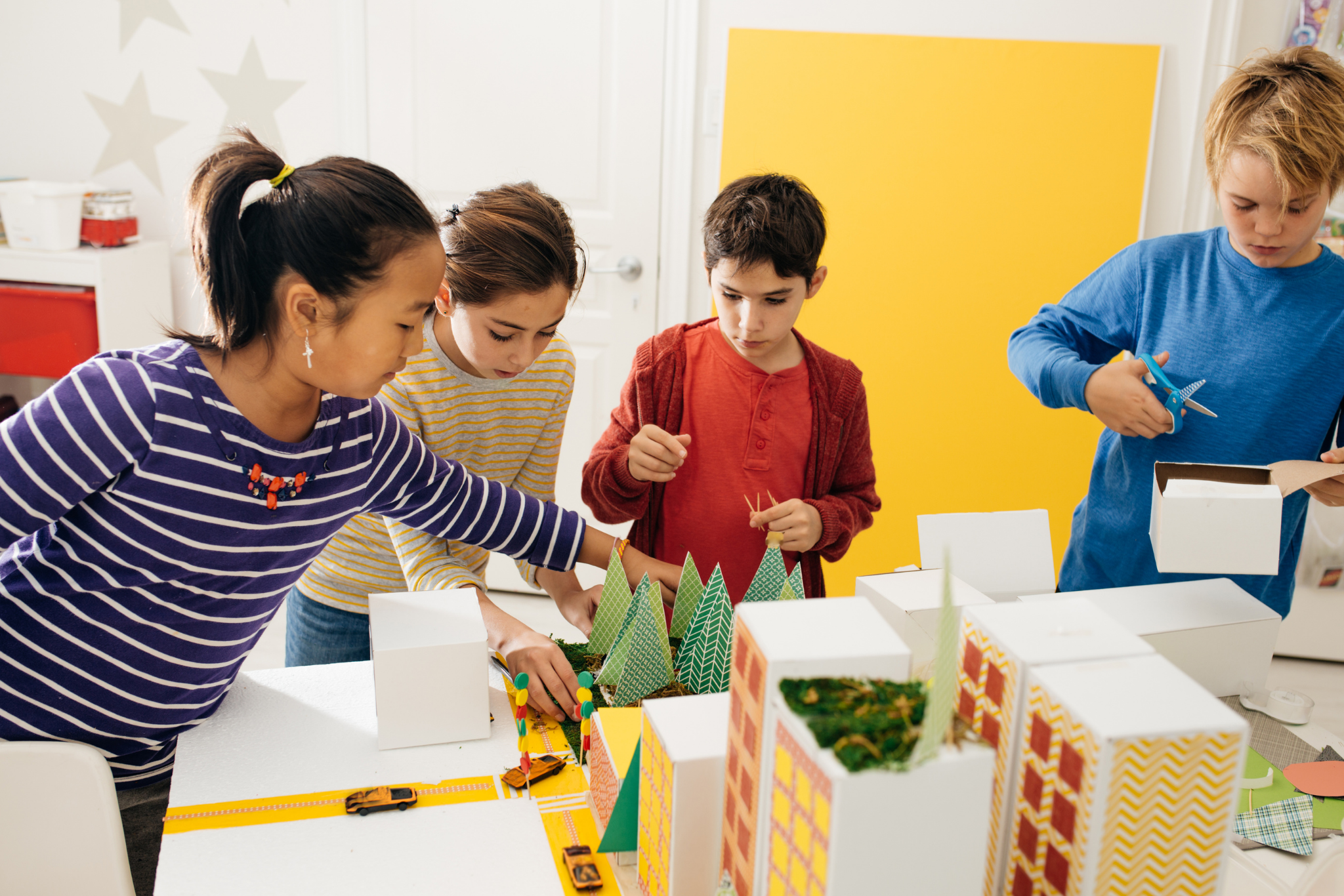
Quests are five-week, hands-on projects where learners step into real-world roles. Each Quest is a series of challenges that introduces big ideas and important thinkers, and asks learners to build, create, test, and refine something of their own. Quests end with a public exhibition, where learners present their work and defend what they've learned.
“Quests ask learners to move beyond knowing information and begin using it.”
Writing & Communication
Clear enough that someone can respond to it.
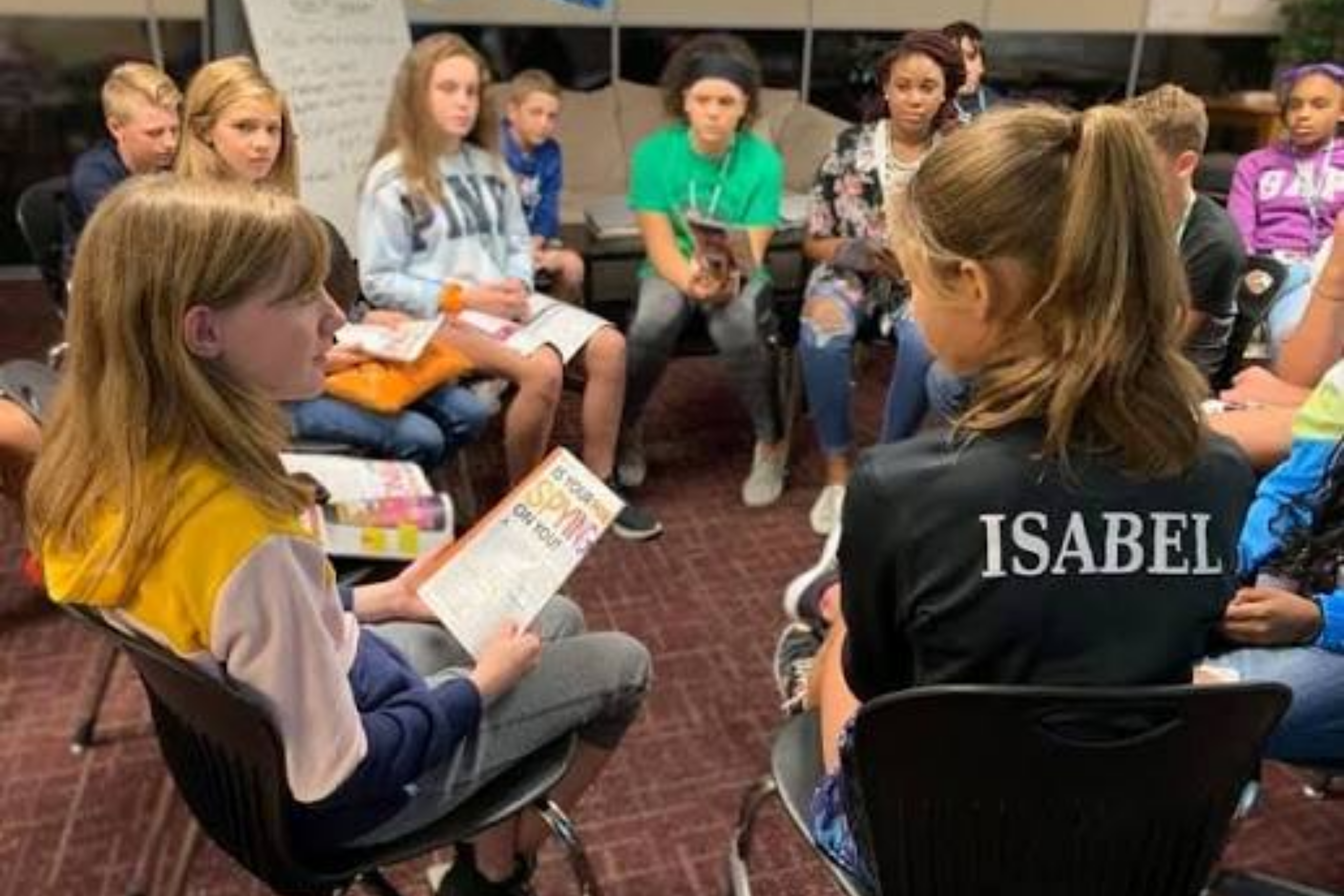
Middle School puts much more weight on communication. Writing isn't something completed once and turned in. Learners revise. The goal isn't just correct grammar; it's expressing an idea clearly enough that another person can understand it, consider it, and respond.

Socratic Discussions
Think. Choose a position. Explain why.
Discussions are built around hard questions, stories, historical moments, ethical dilemmas, and real-world decisions. Guides don't tell learners what to conclude. Learners have to think, choose a position, explain why, listen to opposing views, and sometimes change their minds. It sharpens critical thinking, judgment, and the ability to disagree thoughtfully.
Wondering whether your teen would rise to this?
Tell us a little about them and what you're looking for.
Testing Yourself Outside the Studio
One of the most important parts of Middle School is starting to test yourself in the real world. This is where school connects more directly to the larger world.
Learners may pursue apprenticeships and other real-world experiences where they work alongside adults, explore careers, contribute to organizations, and find out what professional work actually feels like. These experiences help them start answering questions like:
What am I good at?
What kind of work energizes me?
How do I communicate with adults?
Can people rely on me?
What do I still need to learn?
A Studio the Learners Help Run
Middle School is a community, not just a classroom. Learners take more and more responsibility for how the studio works.
Lead meetings
Help solve community problems
Hold one another accountable
Mentor younger learners
Manage shared responsibilities
Take part in decisions that affect the group
Leadership isn't about being in charge. It's about taking responsibility, helping others, and becoming someone the community can rely on.
Adults at Acton are called Guides. They provide structure, challenge, feedback, lessons, and support, but they don't try to become indispensable. As learners become more capable, Guides intentionally step back. They ask questions instead of solving problems, let learners wrestle with hard decisions, and push the studio to improve its own systems.
What a Day in Middle School Looks Like
Each day is broken into work sprints with a shared purpose or goal. The schedule is flexible: learners can rearrange work blocks and choose from different work options based on their goals and commitments.
Morning
Afternoon
No homework
Learning happens in the studio, so home is family time.Times
Drop-off is 8:30–8:45 AM. Pickup is 3:15–3:30 PM. Lunch comes from home.More Independence Doesn't Mean Less Information
Your teen takes more ownership in Middle School, but you still get a clear picture of how they're doing. Progress is mastery-based, not letter grades.
Badge plan and Journey Tracker
What your learner is working toward, and the skills needed to reach the next level.Portfolio and mastery checks
Learners show what they know before moving on, and their work builds into a portfolio.Public exhibitions
At the end of Quests, you see the work and hear your learner defend it.Guide updates and journey meetings
Parents attend journey meetings and can see their learner's progress through the year.Parents visit during tours and exhibitions, and during short, scheduled studio viewing windows.
What Comes After Middle School
Middle School runs through age 15. Families start thinking about high school early, so here's where things stand.
Launchpad at Acton
Launchpad is our high school studio for ages 16–18, opening in 2027. Our Middle School learners are the first to move up into it. The daily schedule, tuition (the same as our other studios), and three badge plans are already laid out.
Have questions about the path from Middle School to high school? We'd rather talk them through honestly with you.
Questions Middle School Parents Ask
Straight answers to what parents of 12- to 15-year-olds ask most. If yours isn't here, ask us.
Prefer to talk? Call 724-201-3655.
Are there grades or homework?
No letter grades: progress is mastery-based and tracked through badges, portfolio evidence, and exhibitions. No homework: learning happens in the studio, so home is family time.
What if my teen is ahead, or behind?
Learners progress at their own pace, with support and accountability. A learner who is ready for more can move ahead as fast as they're ready. There's no "behind," but there are clear expectations for effort, growth, and meaningful work.
Does Acton use Montessori?
Yes. Core skills are built with Montessori and other hands-on materials, along with direct lessons, hands-on projects, and Socratic discussion.
When does Launchpad open?
In 2027. Launchpad is our studio for ages 16–18, and our Middle School learners are the first to move up into it. See What comes after Middle School, above.
Can I visit during the day?
Parents visit during tours and exhibitions, and during short, scheduled studio viewing windows. We don't do casual drop-ins, because learners deserve trust, not an audience.
What does Middle School cost?
Annual tuition is $11,500. Our scholarship program offers up to $6,000 off tuition for eligible students; scholarships are limited and based on eligibility and availability.
Could Middle School Be Right for Your Learner?
Middle School asks a lot of a young teenager. Here's an honest look at who tends to thrive, and who might not.
May be a good fit for a learner who wants to…
- Take on meaningful challenges
- Become a stronger communicator
- Build academic skills through hands-on learning
- Develop greater independence
- Work closely with peers
- Take part in ambitious Quests
- Experience real-world learning
- Grow into someone others can rely on
May not be the right fit for a learner or family who wants…
- To be told exactly what to do and when
- Letter grades and homework
- A traditional middle school experience
That's okay. We'd rather say so up front.
See If Acton Is Right for Your Family
Acton is different from a traditional school, and we know it won't be the right fit for every learner or every family. Tell us a little about your learner and what you're looking for. We personally review every inquiry and will reach out to learn more.
Contact Us
Acton Academy Pittsburgh, 3500 Brooktree Road Wexford, PA 15090 USA


Acton Academy Pittsburgh © 2026
