
Elementary Studio | Ages 7-11
Where learners begin to take ownership.
Elementary is a close-knit, learner-driven community where children build strong academic skills while learning how to manage themselves, work with others, contribute to a group, and take increasing responsibility for their choices.
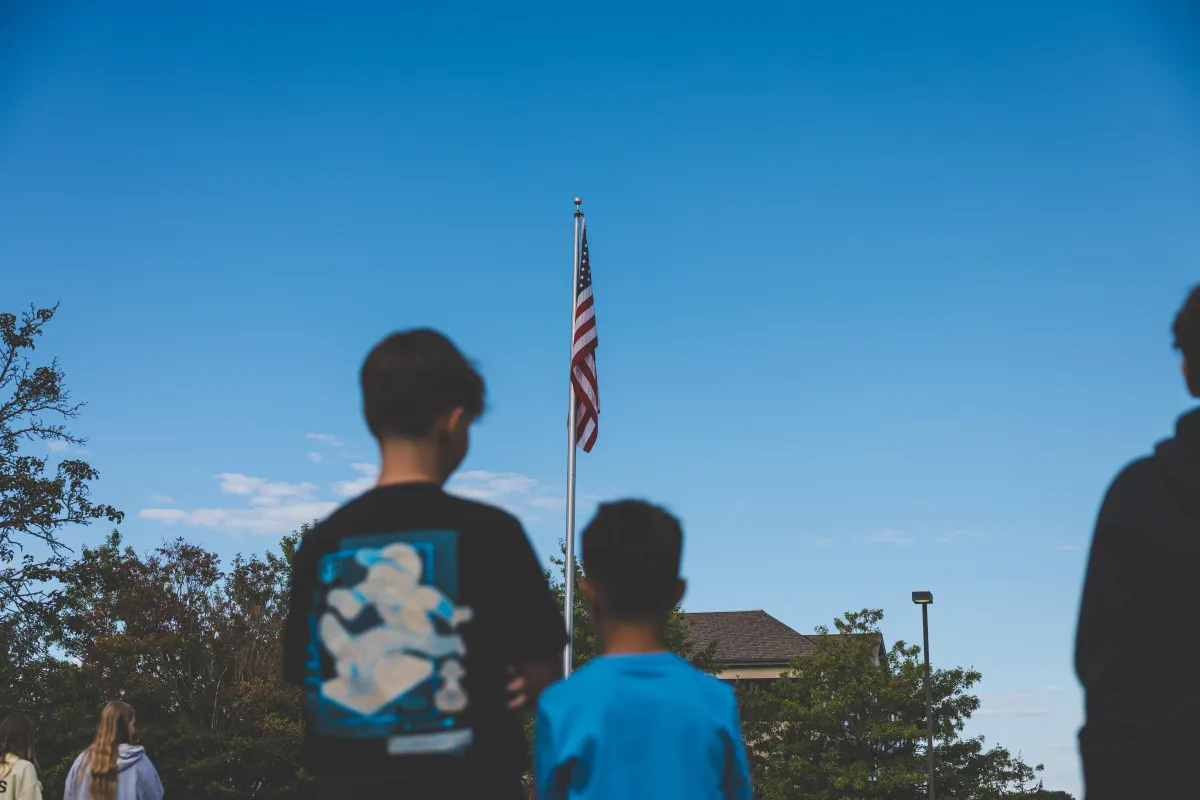
I can manage myself.
Learners begin taking greater responsibility for their time, work, goals, and choices.

I can contribute.
Learners discover that being part of a community means helping, leading, listening, and making the studio better for everyone.
I can learn from mistakes.
Mistakes are not something to avoid. They are part of learning, growing, and becoming more capable.
Montessori Learning
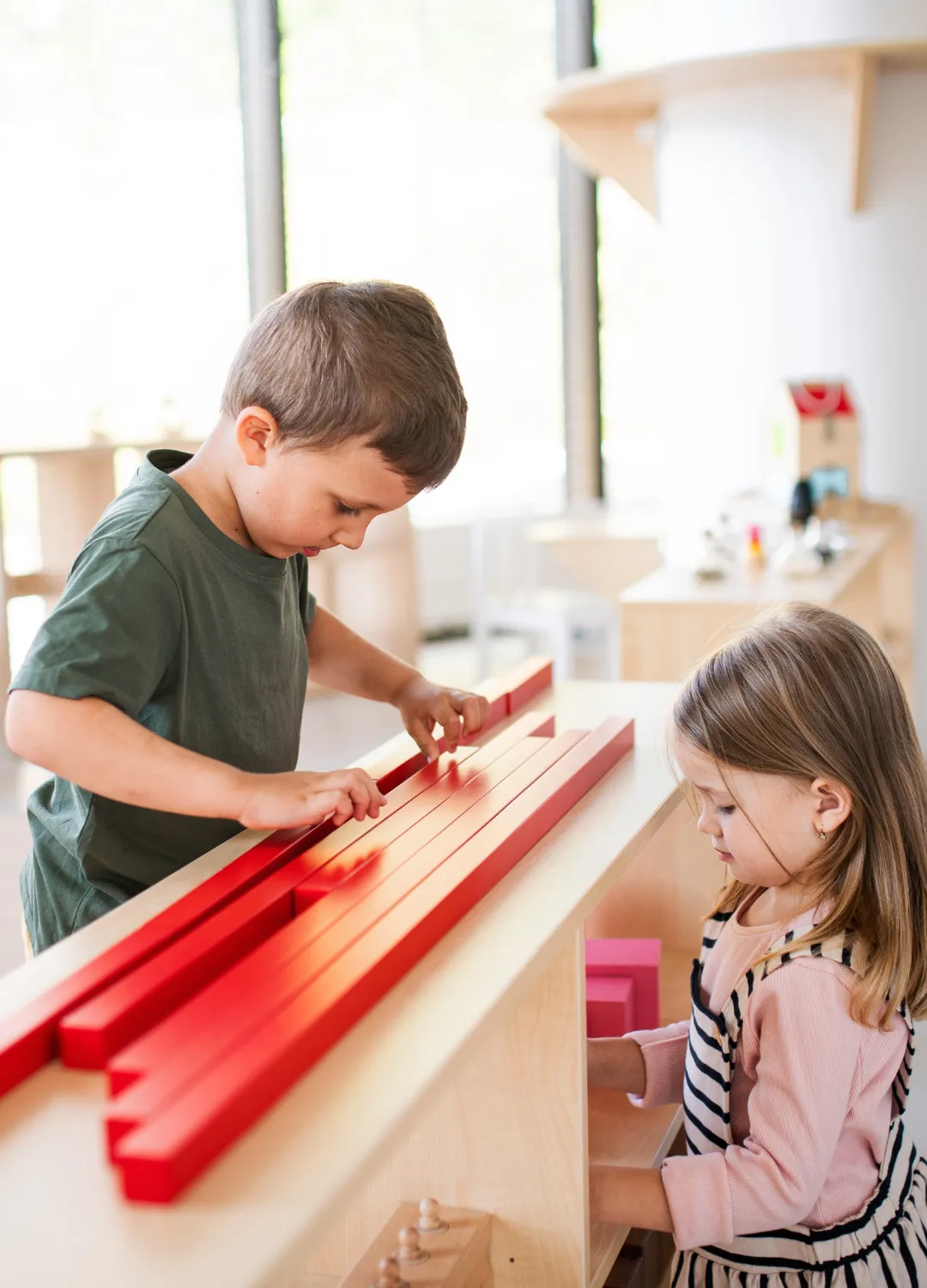
Montessori is a major part of the Elementary experience.
Each morning includes a focused Montessori work cycle where learners build skills across reading, writing, grammar, math, science, geography, history, and cultural studies.
Rather than moving every learner through the same lesson at the same time, Guides introduce work based on readiness and help each learner continue progressing toward mastery.
Learners work with carefully sequenced, hands-on materials that help make ideas concrete and understandable. They are given time to practice, repeat, ask questions, and build real confidence through understanding.
Core academic work in Elementary is screen-free.
We want learners reading real books, writing by hand, working with physical materials, discussing ideas, and building strong foundations before relying heavily on technology.
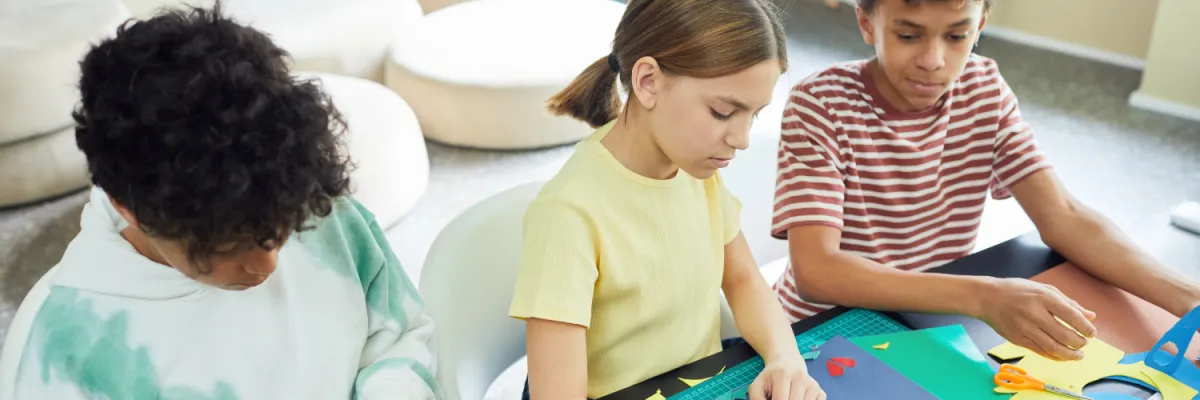
A Different Kind of Elementary Experience
Elementary learners are old enough to begin taking real ownership, but still young enough to need structure, coaching, and support.
The studio is designed around that balance.
Guides provide clear expectations, introduce lessons and tools, ask questions, and help learners reflect on their choices. But they do not manage every minute for them.
Learners begin setting goals, deciding how to use their work time, asking for help when they need it, and taking responsibility when they fall short.
The goal is not immediate independence.
The goal is to practice it every day.

Learning to Work With Others
Elementary is not meant to be an individual journey completed alone.
Learners work alongside peers every day. They collaborate on Quests, participate in Socratic discussions, solve disagreements, give and receive feedback, work in squads, help maintain the studio, and learn how their choices affect the people around them.
That means learning:
When to lead.
When to listen.
When to ask for help.
When to offer it.
And how to keep moving forward when working with other people gets difficult.
These skills are just as important as reading, writing, and math.
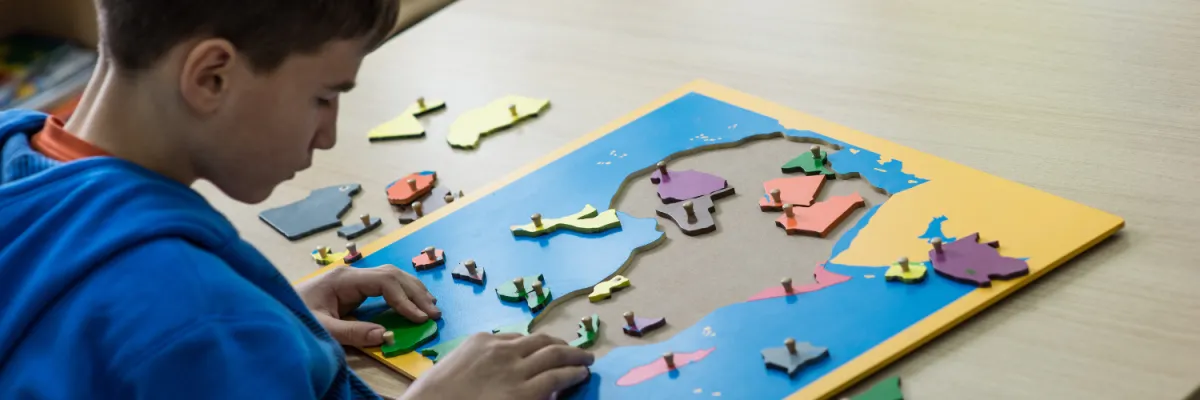
Real Work and Challenging Games
Elementary learners are given meaningful work to accomplish and meaningful challenges to earn their way into.
Core academic work, studio responsibilities, group challenges, Quests, discussions, and games all become opportunities to practice focus, teamwork, problem solving, persistence, and self-management.
Freedom is connected to responsibility.
Learners begin to understand that the choices they make today affect what they are able to do tomorrow.

Learning at the Right Level
Children do not all develop at the same pace.
In Elementary, learners are not expected to be working on identical material simply because they are the same age.
One learner may need more time in one area while another is ready for greater challenge.
Guides use observation, diagnostics, mastery checks, and daily work to understand where each learner is and what they need next.
Learners move forward by demonstrating understanding, not simply because a certain amount of time has passed.
That allows children to be challenged without being rushed and supported without being held back.
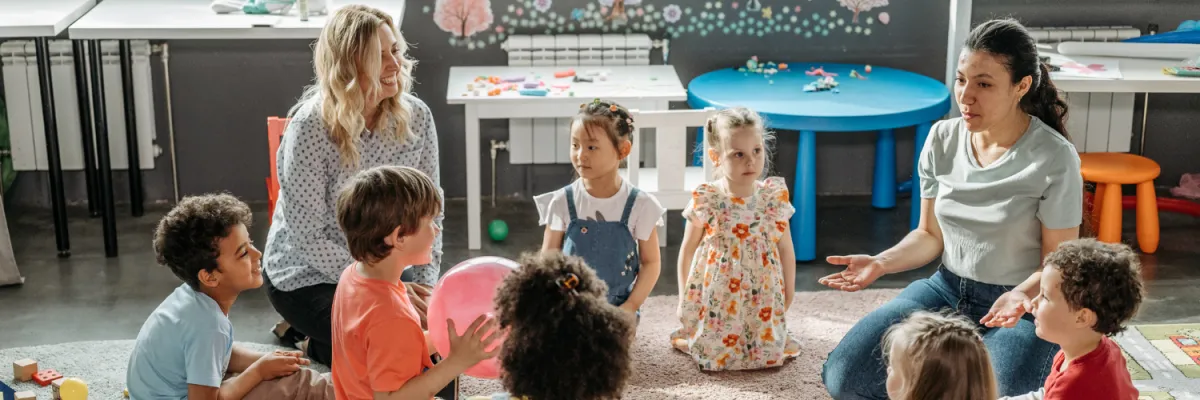
Socratic Discussions
Learners regularly participate in Socratic discussions.
Rather than being told what to think, learners are presented with questions, stories, dilemmas, and real-world problems.
They practice:
Forming an opinion
Explaining why they believe it
Listening carefully
Questioning ideas
Changing their mind when presented with a stronger argument
The goal is not to produce one correct opinion.
The goal is to help learners become thoughtful people who can reason, listen, communicate, and make decisions for themselves.
Joy + Rigor = Mastery
Embracing rigor is part of saying 'yes' to a Hero's Journey. Deep learning brings a special sense of joy, but the mastery required for a Hero's Journey goes even further, requiring commitment, discipline, and hard work toward a worthy goal.
5 Week Hands On Projects

At Acton, we call these projects Quests.
The Acton network creates world class, five week projects that allow learners to step into the shoes of the people they are learning about.
Instead of only reading about scientists, entrepreneurs, inventors, historians, or leaders, learners take on challenges similar to the ones those people faced.
They may build, design, research, experiment, create businesses, solve real world problems, explore science and history, or prepare work to share at an Exhibition.
Quests ask learners to think, create, collaborate, and produce something meaningful.
Instead of only learning about the world, learners are asked to do something with what they know.
A Studio Learners Help Lead

Elementary is a community, not simply a classroom.
Learners help shape the culture of the studio through shared promises, Rules of Engagement, Town Hall, leadership roles, squads, Running Partners, and other systems of accountability.
They have a voice.
But with that voice comes responsibility.
Learners begin experiencing what it means to live in a community where their decisions affect other people.
They learn to speak up, listen, solve problems, hold one another accountable, and contribute to something larger than themselves.
Learning Through Mistakes
We do not expect learners to get everything right the first time.
A difficult math concept, a piece of writing, a Quest challenge, a disagreement with a friend, or a missed goal can all become opportunities to grow.
Learners are encouraged to reflect, revise, ask for feedback, make a new plan, and try again.
Sometimes work is excellent.
Sometimes it is Not Yet.
Not Yet means the work is not finished, the skill is not mastered, or the learner is not where they want to be yet.
It does not mean they cannot get there.
Learning Beyond the Studio

Learning does not stop inside the studio.
Elementary learners have opportunities to learn through field trips, guest presenters, outdoor experiences, entrepreneurship, exhibitions, physical activity, and other real-world challenges.
Our outdoor space gives learners room to move, play, spend time with friends, and step away from academic work.
Physical activity is also built into the week through games, challenges, and learner-led experiences.
We do not assign traditional nightly homework.
We want learners to work hard during the school day and still have time for family, friendships, sports, interests, and life outside of school.
Exhibitions

At the end of many Quests, families are invited into the studio for an Exhibition.
Learners may present projects, demonstrate what they built, explain what they learned, perform, run an event, defend their work, or share a finished product.
Exhibitions give learners a real audience.
That changes the work.
Instead of completing something only because an adult assigned it, learners know they will eventually need to stand behind what they created.
That builds confidence, communication skills, responsibility, and pride in high-quality work.
Guides Who Coach Instead of Control

Adults at Acton are called Guides.
Guides introduce lessons, explain tools, provide feedback, monitor progress, and step in when learners need support.
But their goal is not to become the learner’s permanent source of answers.
Guides frequently respond with questions:
What have you tried?
What could you do next?
Who could help you?
What does your goal say?
What happened?
What will you do differently tomorrow?
Over time, the learner begins asking those questions for themselves.
Parents Still Know What Is Happening

Learner ownership does not mean parents are left in the dark.
Guides regularly communicate about learner progress, wins, areas for growth, and next steps.
Learners also work toward clear academic goals and mastery expectations.
Our goal is for learners to take increasing responsibility for their education while families still have a clear picture of how their child is doing.
Daily Schedule
Each day is broken up into work sprints with a shared purpose or goal.
8:30 Drop-off / Free Time
8:50 Daily Launch (Socratic Discussion)
9:05 Montessori Work Cycle
Montessori-based work in math, reading, writing, language, and other foundational skills, with goal setting and Brain Breaks throughout.
11:30 Lunch / Free Time
12:30 D.E.A.R Drop Everything And Read
1:00 Quest Launch (Socratic Discussion)
1:15 Quest
Hands-on work, team-based challenges, sciences, coding, entrepreneurship, art & music, history, report on goals.
2:45 Studio Maintenance
3:00 Closing Group (Socratic Discussion)
03:15 Pick-up
The schedule is flexible to accommodate different learning needs. Students can rearrange work blocks and choose from a variety of work options based on personal goals, passions, and commitments.
How Acton learners grow
Ownership isn't handed to a child on their first day. It's built, one stage at a time.
Spark, ages 4–7
The seed is planted
- I love learning.
- I belong.
- I am capable.
Before a child can take on responsibility, they need to trust themselves. Spark is where that trust takes root.
Elementary
The foundation holds weight
- I can manage myself.
- I can contribute.
- I can learn from mistakes.
Preparing for Middle School
Ready for real weight
That prepares them for Middle School, where the challenges get bigger and the responsibility becomes real.
The throughline
Every stage hands the next one a learner who trusts themselves a little more.
Could Elementary Be the Right Fit for Your Child?
Elementary may be a good fit for families looking for a place where their child can build strong academic skills, develop independence, work with others, learn through Montessori, spend core academic time screen-free, take increasing ownership of their work, participate in meaningful projects, learn how to think instead of simply memorize, and grow as part of a close community.
The best way to learn more is to start a conversation with us.
Contact Us
Acton Academy Pittsburgh, 3500 Brooktree Road Wexford, PA 15090 USA


Acton Academy Pittsburgh © 2026
